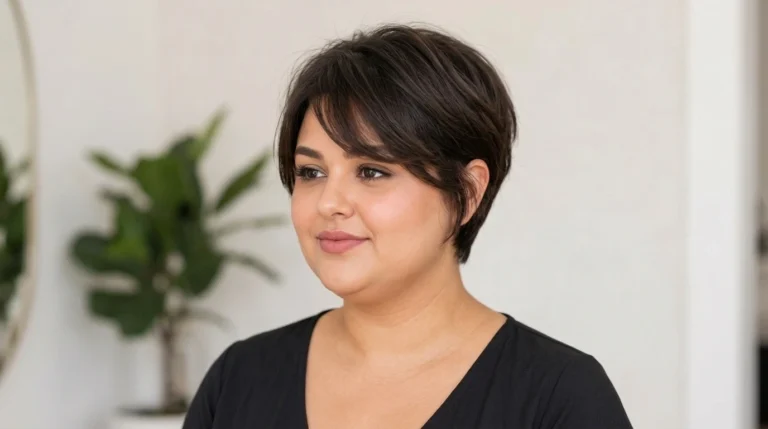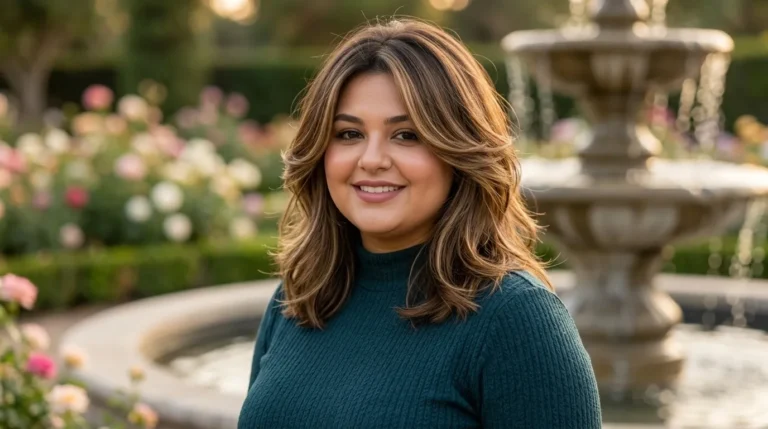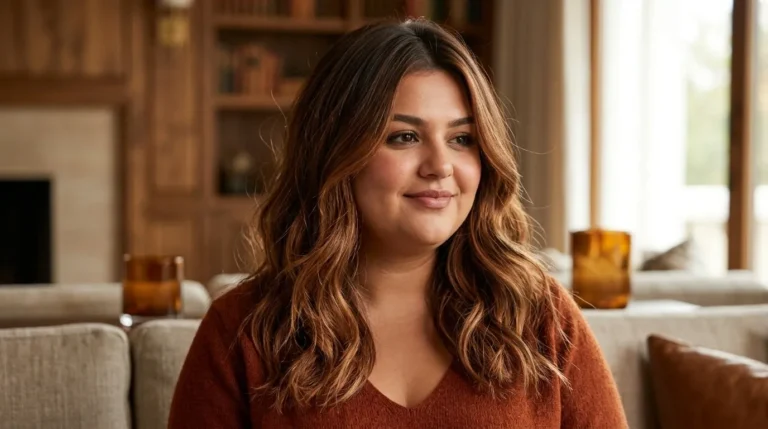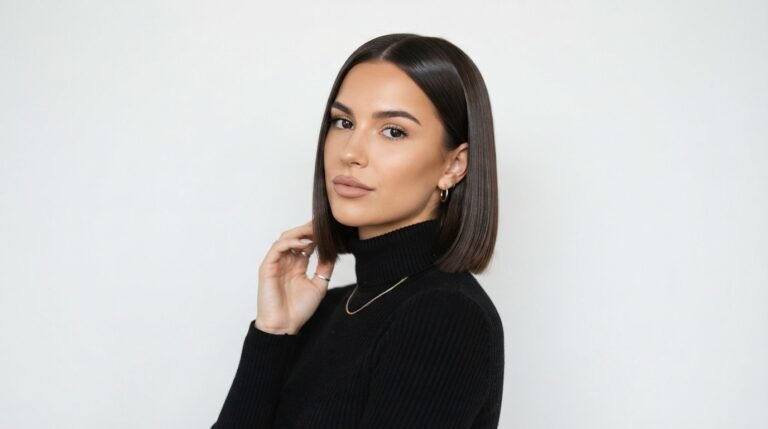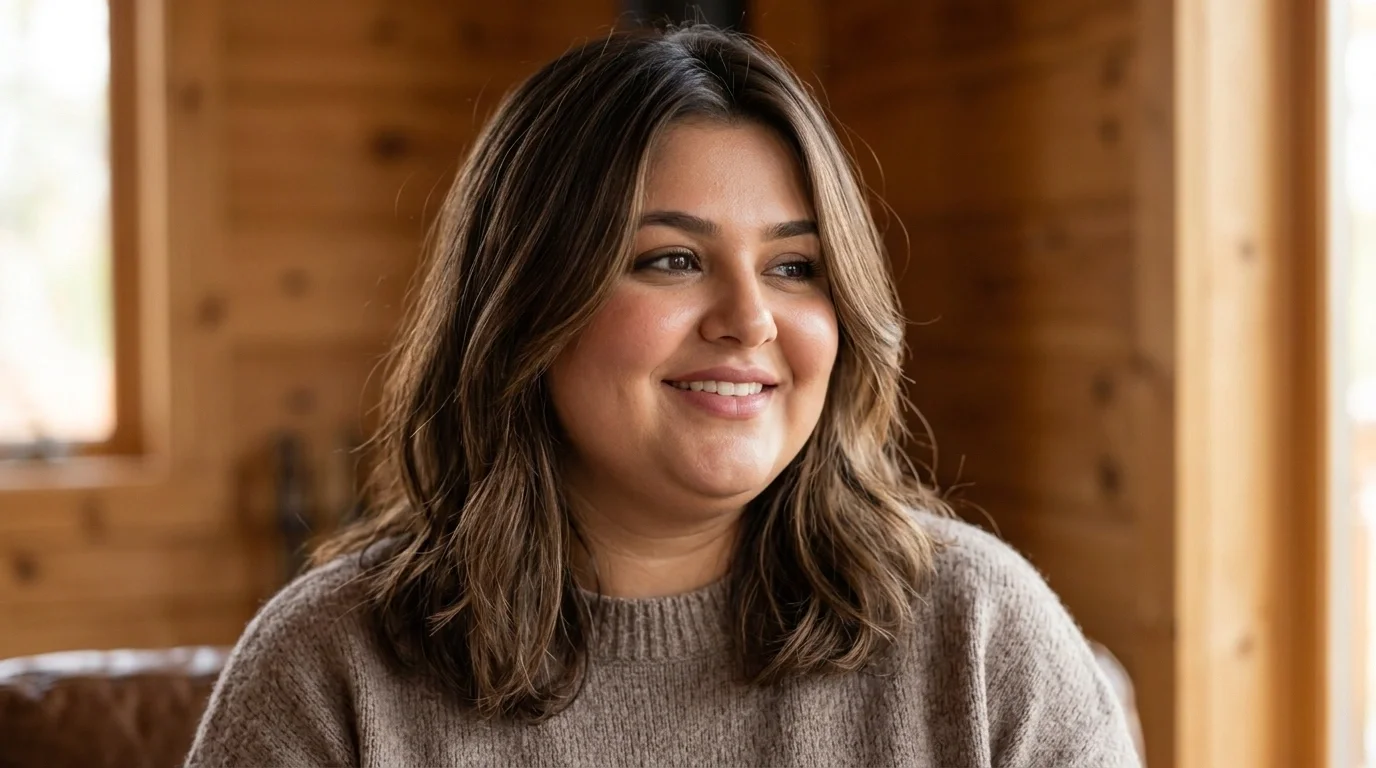
Fall is the perfect season to give brunette hair a richer, warmer refresh. Fall Brunette Hair Colors 2026 bring together deep chocolate shades, soft caramel ribbons, warm chestnut tones, subtle cinnamon warmth, and moody burgundy hues that make everyday hair feel more polished. Whether you want a barely noticeable change or a color that feels completely new, there are plenty of beautiful directions to explore. These shades can add dimension, warmth, and depth while still keeping the natural appeal of brunette hair. I’ve noticed that the most wearable fall colors are often the ones that blend several related tones instead of relying on harsh contrast. From glossy espresso to toasted hazelnut, these ideas offer inspiration for different hair textures, styling preferences, and levels of maintenance. Save your favorites, compare the tones in natural light, and find the brunette shade that feels right for your autumn look.
Warm Chestnut Brunette Glow
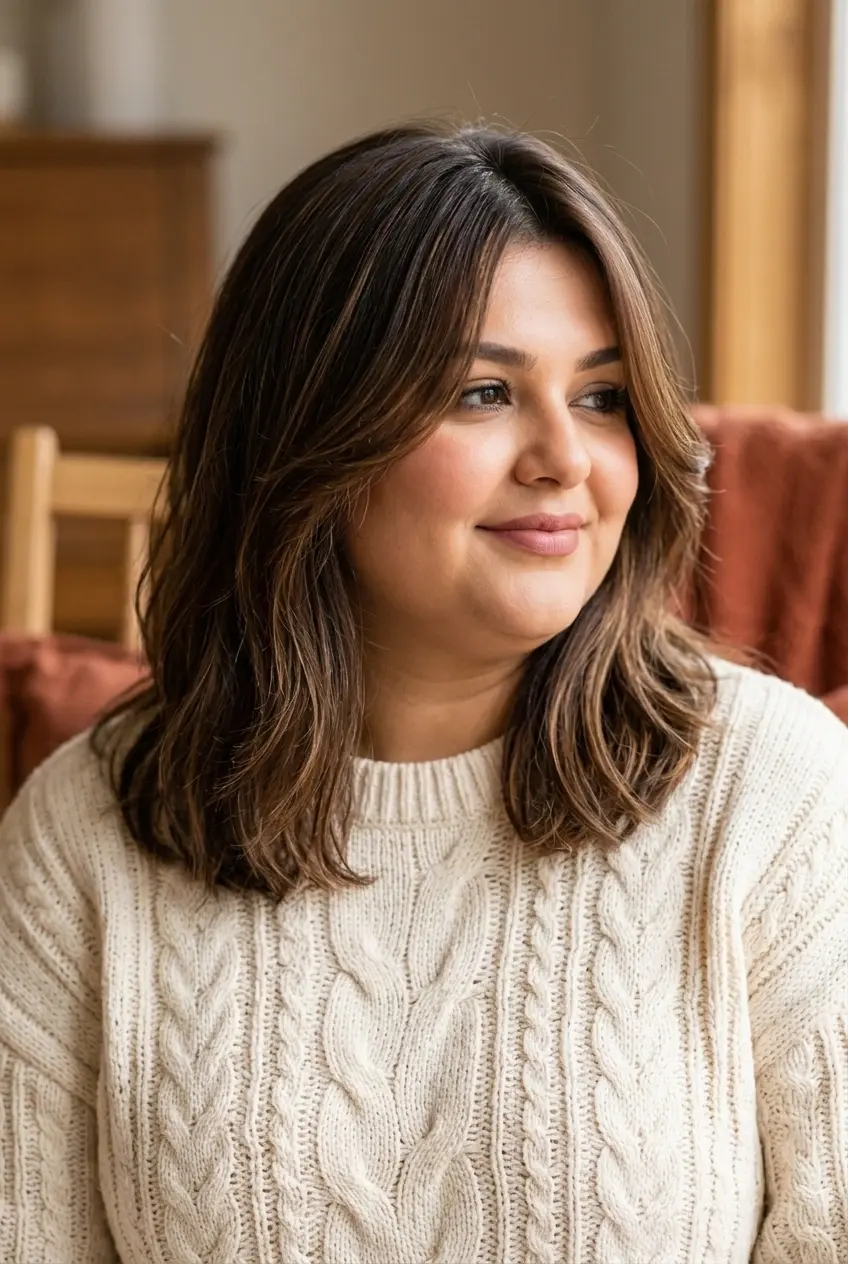
Warm chestnut brunette gives brown hair a soft seasonal refresh while keeping the overall color naturally rich and wearable. The shade combines a deeper brunette foundation with chestnut warmth and subtle golden-brown undertones that become more noticeable when natural light reaches the lengths. This creates dimension without making the hair appear heavily highlighted or dramatically lighter. The warmth also works beautifully with fall clothing, especially cream sweaters, camel jackets, chocolate accessories, and rust-colored pieces. In my experience, chestnut tones look most natural when the warmer shades are blended gradually instead of appearing as obvious streaks. Keeping some deeper brown visible throughout the hair helps maintain richness while giving the overall look more movement and softness.
- Keep the roots slightly deeper
- Blend chestnut through the lengths
- Add subtle golden-brown dimension
- Finish with a soft glossy treatment
For a balanced finish, keep the root area close to the deeper brunette base and introduce warmer chestnut tones through the mid-lengths and ends. This creates a smooth transition that can also make regrowth less noticeable. Straight styling will show the color blending clearly, while loose waves can reveal more of the golden-brown variation as different sections catch the light. A shine-focused finish can make the warm tones look richer without increasing their brightness too much. If you want an autumn update that still feels close to classic brunette hair, this shade offers a practical middle ground. It brings warmth, dimension, and seasonal character while remaining easy to coordinate with everyday fall styling.
Deep Espresso Mocha Shine

Deep espresso mocha creates a rich, dark brunette finish that feels especially sophisticated for autumn. The espresso foundation gives the hair noticeable depth, while subtle mocha undertones keep the color from appearing completely black or one-dimensional. These quieter brown variations become easier to see under natural light, giving the lengths a polished reflective quality. The shade pairs naturally with burgundy, chocolate, cream, charcoal, olive, and dark denim, making it easy to coordinate with seasonal clothing. I’ve noticed that darker brunette colors often look most luxurious when the hair has visible shine because reflected light helps reveal the brown undertones. The result is dramatic enough to feel like a transformation while remaining firmly within a wearable brunette palette.
- Maintain a deep espresso foundation
- Blend mocha tones subtly throughout
- Prioritize smoothness and shine
- Avoid strong contrasting highlights
For a refined result, keep the overall base deeply brunette while allowing softer mocha tones to appear through selected sections of the lengths. The color should remain cohesive rather than looking like separate highlights. Sleek styling emphasizes the smooth, glossy character of espresso hair, while loose waves reveal subtle tonal shifts as the strands move. Keeping the roots close to the natural shade can also simplify maintenance as the color grows. This makes the look practical for anyone who wants a darker autumn change without committing to frequent high-contrast touch-ups. Among current fall brunette inspiration, espresso mocha stands out for its depth, understated dimension, and polished finish that works equally well for everyday styling and more dressed-up occasions.
Caramel Ribbon Brunette Layers
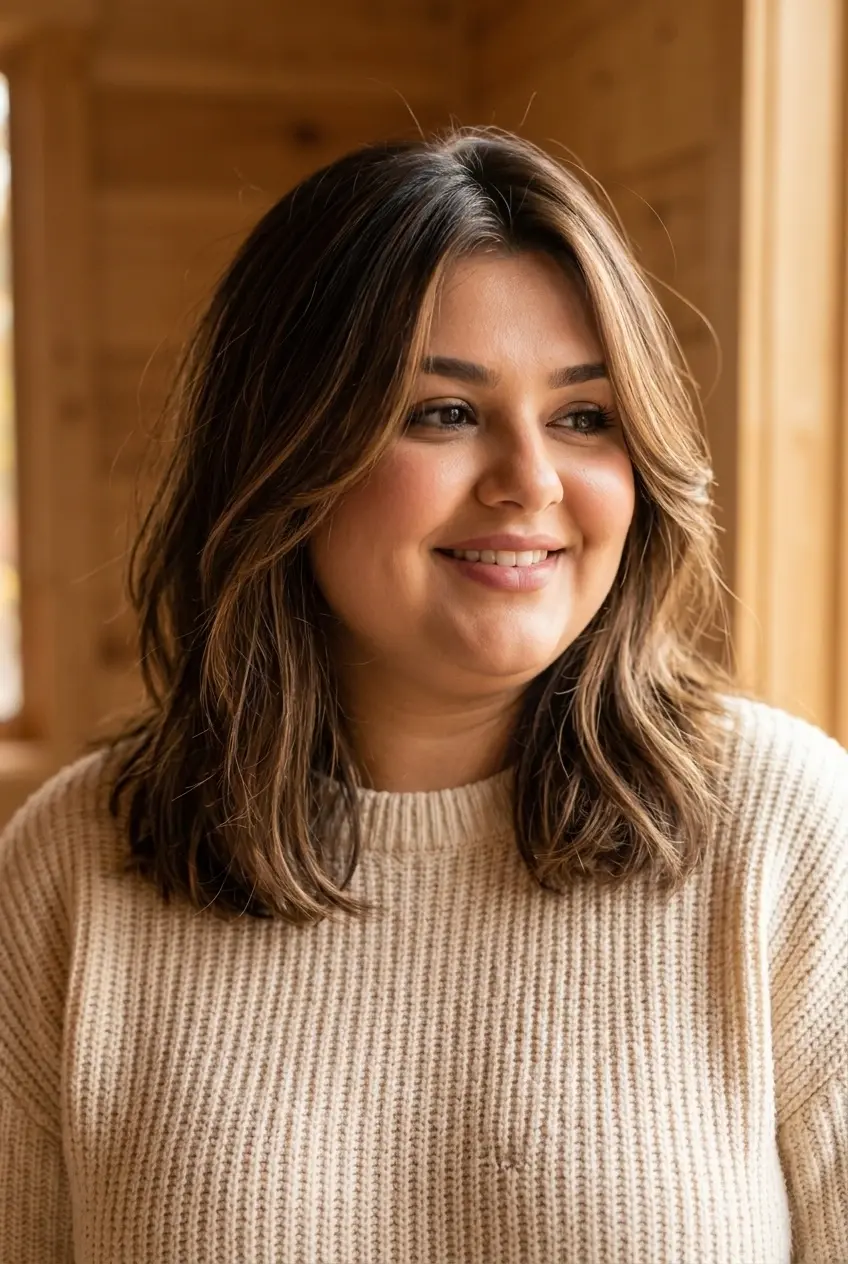
Caramel ribbons add brightness and movement while allowing brunette hair to remain the dominant color. Instead of covering the entire hairstyle with lighter color, carefully blended caramel sections can be placed through the layers so they appear naturally connected to the darker foundation. This creates dimension that changes as the hair moves and catches light. Slightly brighter pieces around the front can add interest without making the entire color look dramatically lighter. In my experience, caramel looks especially natural when the transition from brunette to lighter tones is soft and gradual. This keeps the color polished rather than striped and makes it easier to blend with different hairstyles. The result feels warm, fresh, and distinctly suited to autumn.
- Blend ribbons instead of creating stripes
- Keep roots naturally darker
- Brighten selected front sections
- Use layers to emphasize movement
For the most wearable finish, keep the root area close to the natural brunette shade and blend caramel through the mid-lengths and ends. Face-framing sections can receive slightly more brightness, while the back remains softer for a balanced appearance. Loose waves are particularly useful because the movement separates the layers and allows individual caramel ribbons to catch the light. Straight hair creates a smoother, more seamless look and shows the blending clearly. This color is a strong option if you want your autumn hair to appear brighter without moving into a predominantly blonde look. The combination of brunette depth and caramel warmth also pairs effortlessly with cream, tan, chocolate, denim, and rust clothing throughout the season.
Rich Cinnamon Brown Warmth
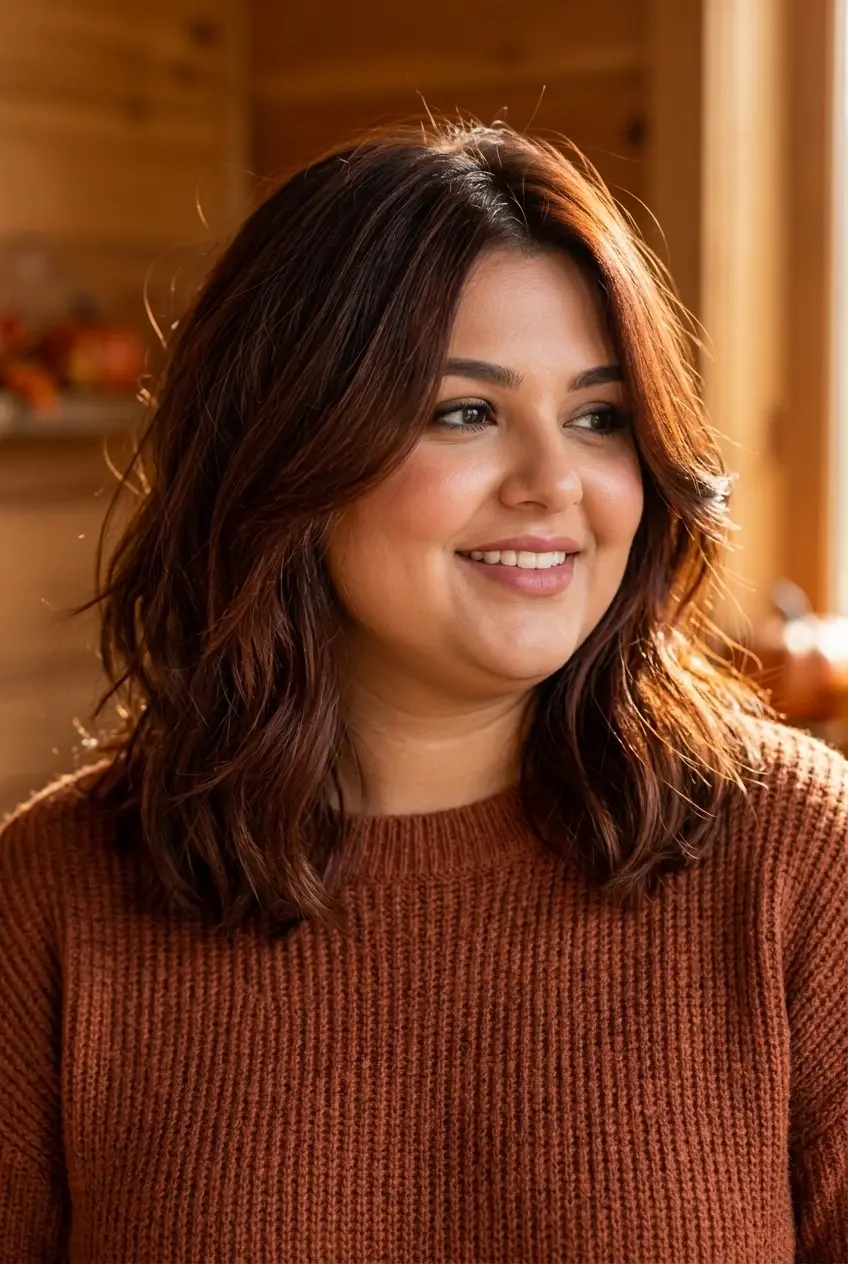
Cinnamon brown brings a cozy autumn quality to brunette hair by combining rich brown depth with soft cinnamon and copper undertones. The warmth can become more noticeable when the hair catches natural daylight, while the deeper base remains visible indoors. This changing quality gives the color dimension without requiring strong highlights or an extremely bright finish. It also complements classic fall clothing shades such as rust, cream, camel, chocolate, and muted green. I’ve noticed that cinnamon brunette tends to look more sophisticated when the warm influence is blended throughout the hair rather than concentrated into a few bright sections. Keeping the underlying brown visible helps the color remain balanced, natural-looking, and easy to wear.
- Keep brunette depth underneath
- Blend cinnamon tones gradually
- Add copper warmth selectively
- Use gloss to emphasize reflections
The intensity can be adjusted according to how noticeable you want the seasonal change to be. A deeper cinnamon brown gives a subtle warmth, while brighter copper-brown pieces through the ends create more visible movement. Maintaining enough brunette depth prevents the result from becoming overly orange or too bright. Loose waves can make the tonal changes easier to see because different sections reflect light from different angles, while a smooth blowout gives the shade a cleaner appearance. A glossy finish can further enhance the warm reflections. This idea works particularly well if you want a brunette transformation that feels clearly connected to fall but still remains sophisticated, versatile, and practical for everyday hair styling.
Glossy Chocolate Brown Finish

Chocolate brown remains one of the easiest ways to make brunette hair look richer and more polished for fall. Its deep brown foundation creates noticeable depth, while gentle warmth keeps the color from looking dull or overly dark. The glossy finish adds another layer of visual interest because light reflects across the surface and reveals subtle brown variation. This makes the shade especially appealing with autumn clothing in burgundy, camel, cream, chocolate, denim, and warm gray. In my experience, chocolate brunette looks particularly refined when the main color stays consistent while only small tonal differences appear through the lengths. That approach creates a smooth, expensive-looking finish without relying on dramatic highlighting or complicated color placement.
- Keep the chocolate tone rich
- Add only subtle tonal variation
- Prioritize shine and smoothness
- Coordinate with warm neutral clothing
The versatility of chocolate brown makes it suitable for many different styling routines. Sleek straight hair emphasizes the reflective surface and makes the color appear especially smooth, while loose waves reveal more of the tonal variation as the hair moves. If your natural hair is already medium or dark brown, a tonal refresh and gloss may provide enough change without requiring a major lightening process. Keeping the roots close to the natural color can also make future maintenance simpler. This shade is ideal when you want a seasonal brunette update that feels luxurious but not overly dramatic. It adds depth, warmth, and polish while remaining easy to wear for casual days, work, dinners, and special occasions.
Warm Maple Brunette Dimension
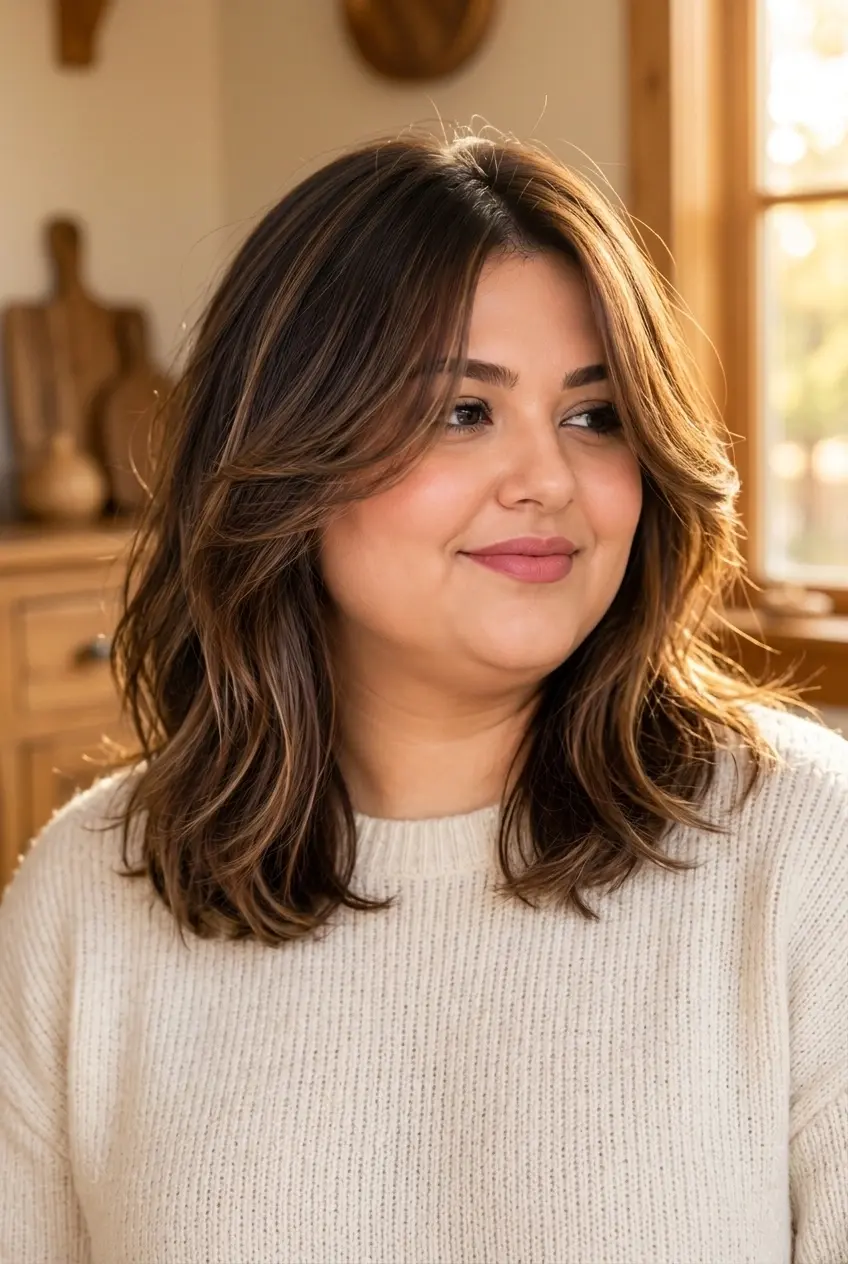
Maple brunette blends rich brown depth with warm amber, caramel, and golden-brown tones to create a cozy fall-inspired finish. The color remains recognizably brunette while introducing enough warmth to make the lengths appear brighter and more dimensional. When natural light moves across the hair, the different tones become easier to see, creating a soft shifting effect rather than a flat block of color. This makes maple brown especially appealing for anyone who wants a seasonal change without choosing a dramatically lighter shade. I’ve noticed that using several closely related brown tones often produces a more natural result than relying on one bright highlight color. The finished look feels warm, polished, and easy to style.
- Keep the foundation deeply brunette
- Blend amber tones through selected layers
- Add brightness around the front
- Use gloss for reflective warmth
For balanced placement, maintain the darker brunette foundation while introducing softer maple tones through the mid-lengths and ends. A few brighter pieces around the front can create visual interest, while the lower and back sections remain more subtle. This gives the color dimension without making the placement feel uneven. Loose waves are especially effective because movement separates individual sections and makes the warm tones easier to notice. Straight styling will emphasize the smooth blending and overall richness. A gloss can further enhance the golden reflections without dramatically changing the shade. This option is useful when you want warm autumn character while keeping enough brunette depth for an elegant, natural-looking, and versatile result.
Deep Burgundy Brunette Tint
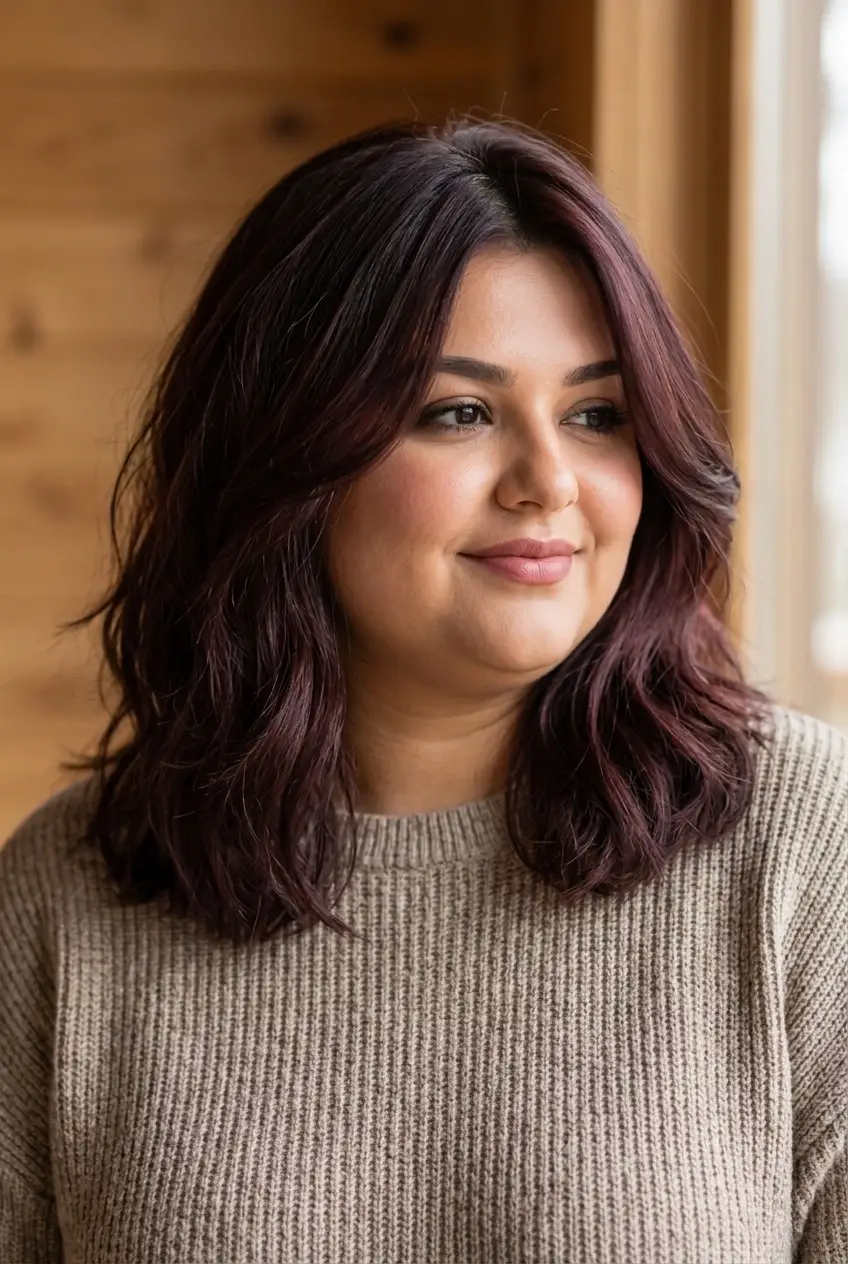
Deep burgundy brunette adds a rich wine-inspired quality to brown hair while preserving the darker foundation that makes brunette shades so versatile. The color can appear primarily deep brown indoors but reveal subtle burgundy and berry reflections when natural light reaches the lengths. This shifting effect gives the hairstyle more personality without making the result appear overly bright or artificial. It also pairs naturally with autumn clothing, especially burgundy knitwear, chocolate coats, cream tops, dark denim, and warm neutrals. In my experience, a restrained burgundy influence often looks more sophisticated than highly saturated red because the brunette base keeps the overall shade grounded. The result feels moody, rich, seasonal, and still practical.
- Keep burgundy blended into brown
- Increase intensity gradually if desired
- Use waves to reveal wine tones
- Maintain shine for stronger reflections
For a wearable finish, keep the brunette foundation dominant and blend burgundy through the mid-lengths, ends, or selected tonal sections. The intensity can remain subtle if you prefer only a soft wine reflection, or it can become stronger for a more noticeable seasonal transformation. Straight hair will display the color as a smooth, polished surface, while waves create small flashes of burgundy as the strands move. Maintaining shine is especially helpful because glossy hair reflects the red-violet tones more clearly. This idea works well when you want your autumn hair to feel deeper and moodier without abandoning brunette versatility. It provides a distinctive seasonal change while keeping the overall color sophisticated and easy to coordinate.
Toasted Hazelnut Brown Blend
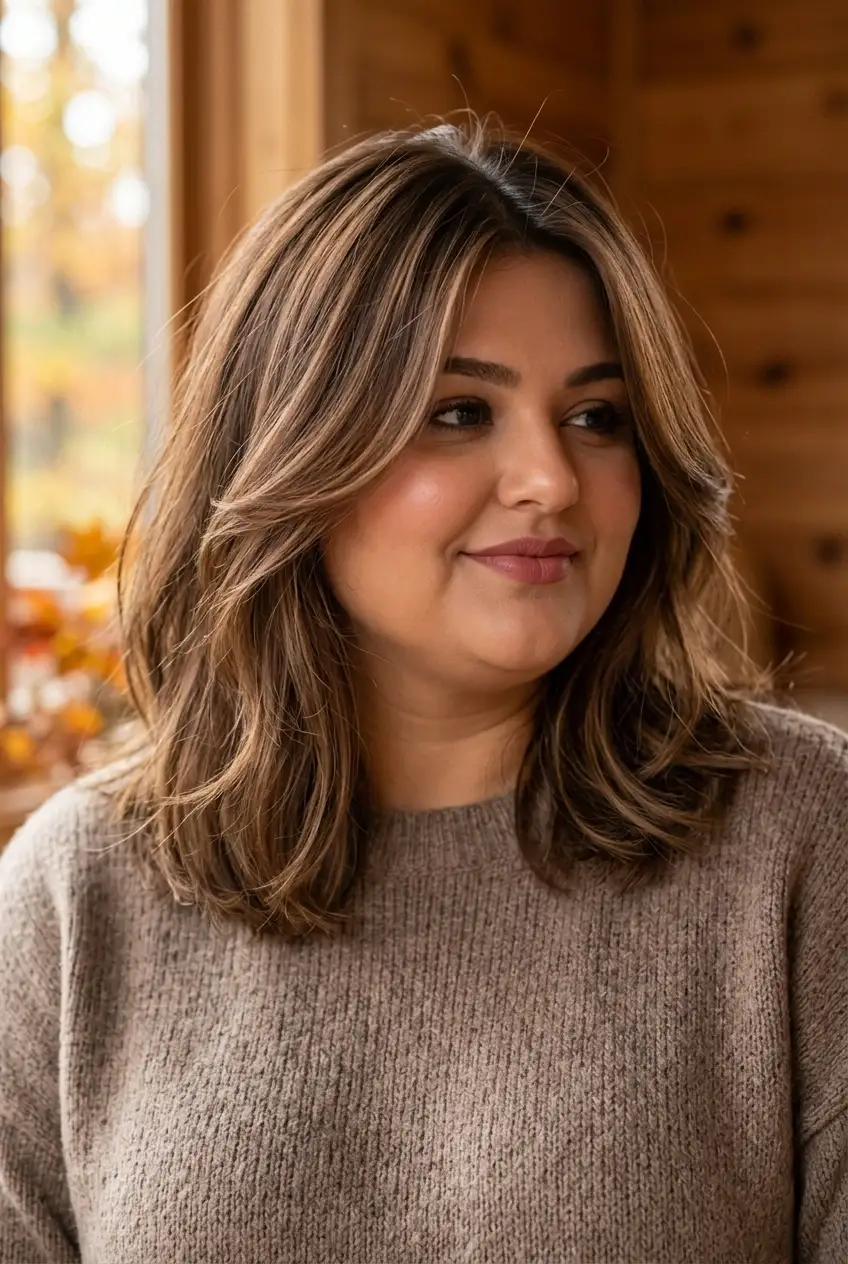
Toasted hazelnut brunette creates a softer, warmer interpretation of brown hair by combining brunette depth with beige-brown, golden, and lightly toasted undertones. The result remains clearly brunette but gains enough warmth to make the lengths appear brighter and more dimensional. This makes it an appealing fall option when you want a noticeable refresh without choosing strong red, copper, or blonde tones. The shade naturally complements taupe, cream, camel, chocolate, and soft brown clothing, making it easy to incorporate into an existing wardrobe. I’ve noticed that hazelnut tones often look especially believable when the lighter sections remain relatively close to the underlying brunette shade rather than creating dramatic contrast.
- Keep the brunette foundation visible
- Blend toasted tones gradually
- Brighten selected front sections
- Add subtle shine to the finish
A blended placement keeps toasted hazelnut looking natural and makes the transition between darker and warmer sections less noticeable as the hair grows. The roots can remain close to the natural brunette shade while slightly lighter tones are distributed through the mid-lengths and ends. Face-framing pieces can receive a little extra brightness if you want more visual interest around the front. Loose waves will emphasize the tonal movement, while smooth styling creates a more understated appearance. This shade is particularly practical for anyone wanting autumn warmth without strong contrast. It gives brunette hair a soft seasonal glow while remaining versatile enough for everyday outfits, professional settings, casual styling, and more polished occasions.
Copper Brown Brunette Glow
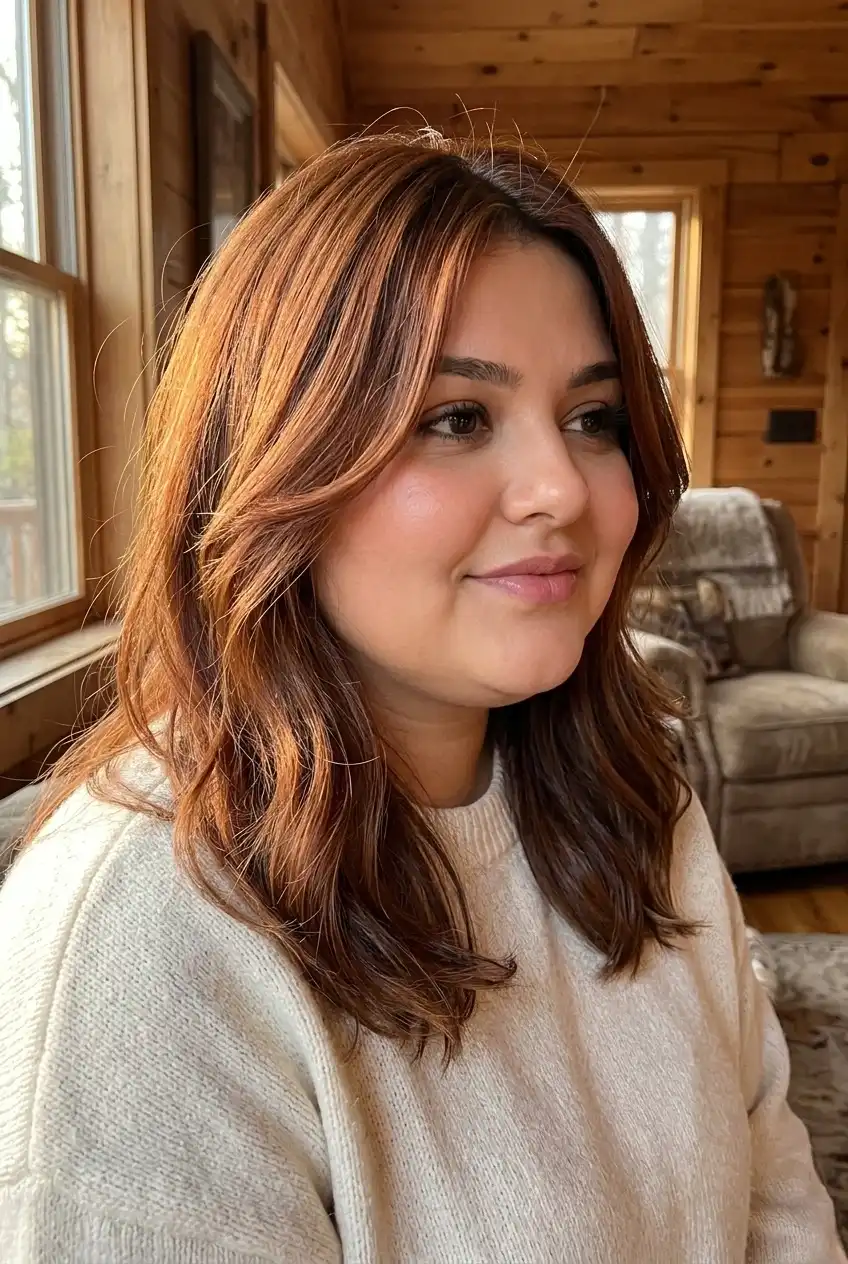
Copper brown brunette brings a warm, vibrant quality to darker hair while keeping enough brown depth to prevent the color from looking intensely red. The combination of brunette richness and subtle copper warmth creates a dimensional finish that changes beautifully under different lighting. In natural daylight, the warmer pieces can appear brighter, while indoor lighting keeps the overall color deeper and more sophisticated. This makes it especially suitable for fall, when warm tones naturally complement rust, cinnamon, cream, camel, and chocolate clothing. I’ve noticed that copper-brown shades often look most wearable when the copper influence is blended gradually throughout the hair instead of concentrated into highly saturated sections.
- Keep brown depth clearly visible
- Blend copper tones through the lengths
- Add slightly brighter pieces selectively
- Maintain a glossy finish
For a softer interpretation, keep the roots and underlying base brunette while introducing copper-brown warmth through the mid-lengths and ends. A few brighter pieces around the front can make the color more noticeable without overwhelming the darker foundation. Loose waves are ideal for revealing the copper variation because movement allows different sections to catch the light. Straight styling creates a smoother, more unified appearance and emphasizes the polished finish. A gloss can also enhance the warm reflections while helping the hair look healthy and vibrant. This shade works well when you want an autumn transformation that feels warmer and more expressive than traditional brown but still remains unmistakably brunette.
Dark Caramel Brunette Melt
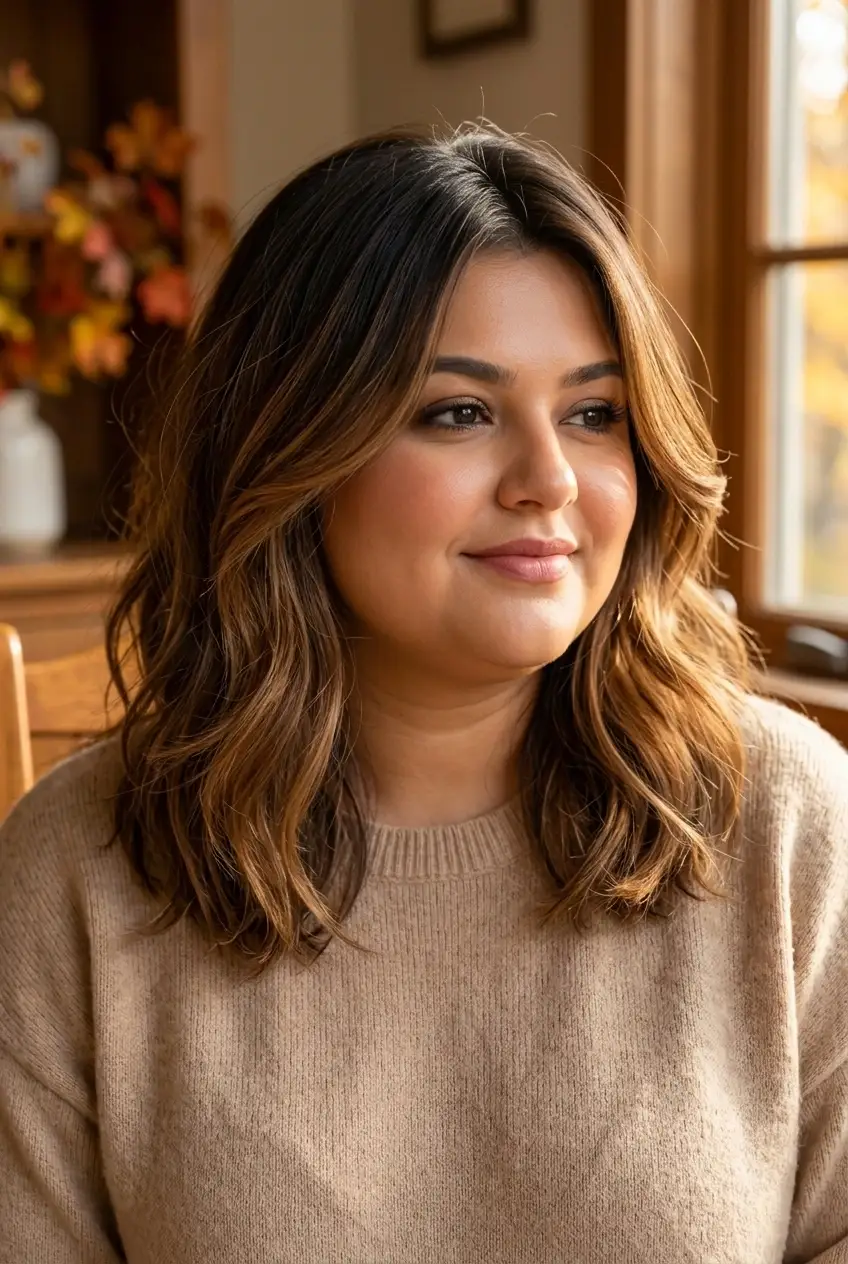
A dark caramel brunette melt creates a gradual transition from a deep brunette root into warmer caramel-brown lengths and ends. Instead of using clearly separated highlights, the color becomes progressively lighter as it moves downward, creating a soft gradient that feels polished and modern. The deeper root keeps the hairstyle grounded in brunette richness, while the caramel sections introduce warmth and brightness toward the lower lengths. This makes the technique particularly useful for fall because it combines darker seasonal depth with warm caramel tones. In my experience, a gradual color melt is also easier to wear casually because the transition does not look overly structured or dependent on perfect styling.
- Keep roots visibly dark
- Blend caramel gradually downward
- Concentrate brightness toward the ends
- Avoid a sharp color line
The transition should remain smooth, with intermediate brown tones connecting the dark root to the warmer caramel ends. This prevents the color from appearing like two separate shades and creates a more natural flow through the hairstyle. Loose waves can make the melt especially attractive because the different tones appear through the bends and movement of the hair. Straight styling shows the gradient more clearly and creates a sleek, polished result. Keeping the darker root intact can also make maintenance easier because new growth blends naturally into the existing color. This option is ideal if you want noticeable warmth without completely changing your brunette base, offering a practical balance between seasonal brightness, depth, and low-contrast regrowth.
Soft Mocha Caramel Blend
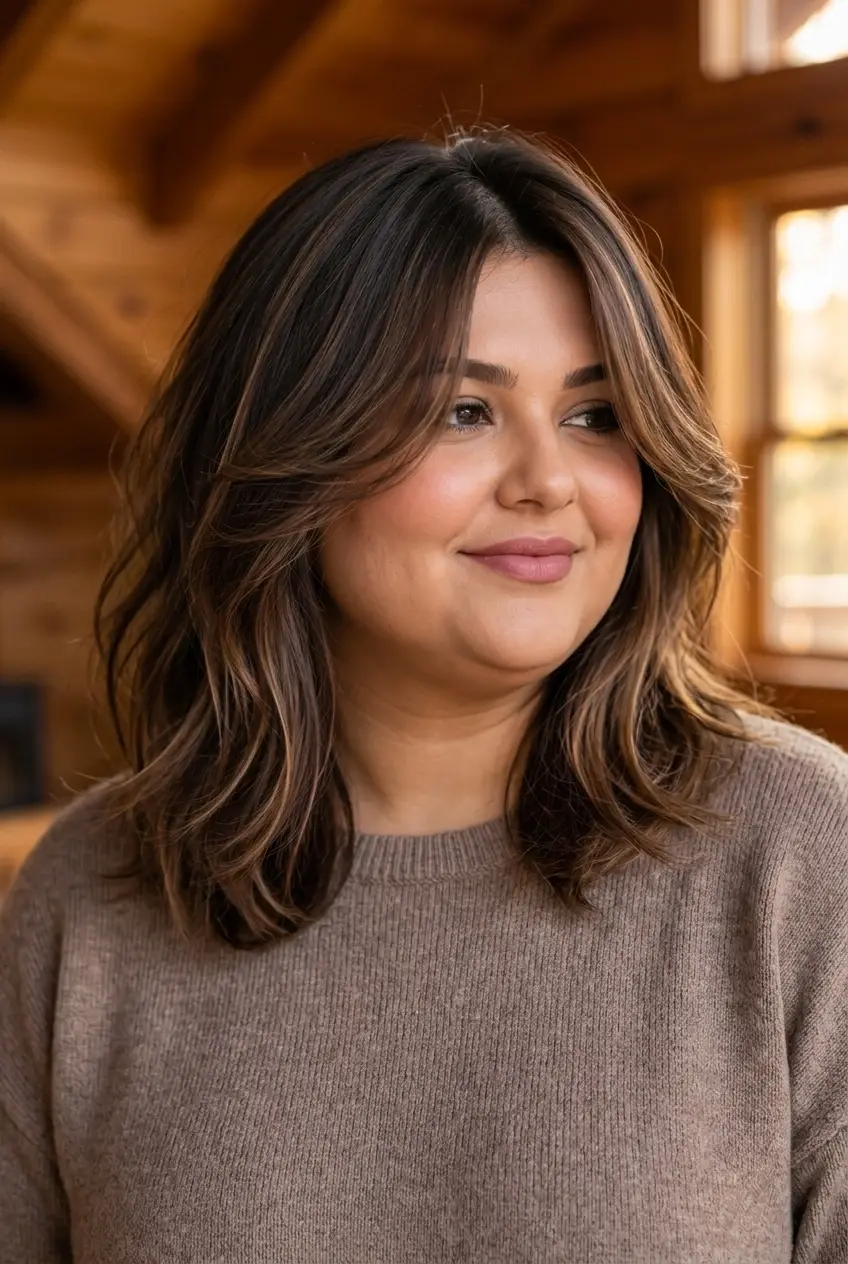
Soft mocha caramel combines the depth of mocha brown with delicate caramel warmth for a balanced autumn brunette look. The mocha foundation keeps the overall hairstyle rich and grounded, while the caramel sections introduce brightness without creating an extreme contrast. Because both tones remain within a warm brown family, the transition can look naturally blended rather than heavily highlighted. This makes the color particularly versatile for different hairstyles and wardrobes. I’ve noticed that mocha and caramel work especially well together when the lighter pieces are distributed selectively through the front and mid-lengths instead of being applied evenly everywhere. The result feels dimensional, polished, and warm without becoming overly bright.
- Keep mocha visible throughout the base
- Blend caramel into surrounding brown tones
- Add subtle brightness near the front
- Maintain soft tonal transitions
For the most natural finish, keep the roots and majority of the hair within the mocha-brown family, then introduce caramel through carefully selected sections. Face-framing pieces can be slightly brighter, while the lower and back sections remain softer for balance. Loose waves can help reveal the difference between mocha and caramel because the movement separates individual strands and creates changing reflections. A sleek style produces a more subtle and seamless effect. This combination is especially practical if you want a noticeable fall refresh without choosing an intensely warm color. The darker mocha foundation provides depth, while caramel adds enough brightness to make the hairstyle feel fresh, dimensional, and seasonally updated.
- Blend caramel rather than adding stripes
- Keep the root naturally deeper
- Brighten selected face-framing sections
- Use gloss to maintain softness
Honey Brown Brunette Glow

Honey brown brunette creates a warm, luminous finish by combining a rich brown foundation with soft honey and golden-brown undertones. The color remains distinctly brunette while introducing enough brightness to make the hair appear warmer and more dimensional. Natural light can bring out the golden tones, while indoor lighting keeps the overall shade deeper and softer. This makes it a beautiful choice for fall, especially when paired with cream, camel, beige, chocolate, and warm denim clothing. I’ve noticed that honey tones look more natural when they are blended into the brunette base rather than applied as highly contrasting highlights. The result feels polished, approachable, and easy to wear.
- Keep the brunette foundation visible
- Blend honey tones gradually
- Add gentle warmth through the lengths
- Use a glossy finish for extra shine
For a balanced result, keep the roots slightly deeper and introduce honey-brown warmth through the mid-lengths and ends. A few lighter pieces around the front can add brightness without making the entire hairstyle look significantly lighter. Loose waves can help reveal the golden variation because the hair catches light from different angles, while straight styling creates a smooth and seamless appearance. A gloss can further emphasize the warm reflections and make the color appear healthier. This shade works especially well if you want your autumn hair to look brighter without committing to blonde. The combination of brunette depth and honey warmth creates a soft seasonal update that remains versatile for everyday styling.
Rich Toffee Brunette Blend

Rich toffee brunette combines medium-to-deep brown with warm caramel and soft golden undertones for a color that feels especially fitting for autumn. The toffee influence gives the hair a warmer appearance without completely replacing the brunette foundation. Because the tones remain relatively close together, the finished color can look dimensional without relying on strong, noticeable highlights. The effect becomes especially attractive when natural light moves across the hair, revealing subtle differences between the deeper brown and warmer sections. In my experience, toffee tones work particularly well when they are concentrated through the mid-lengths and ends, allowing the darker root to provide contrast and keep the overall hairstyle grounded.
- Keep roots naturally brunette
- Concentrate toffee tones through lengths
- Blend lighter sections into brown
- Maintain soft reflective shine
A gradual blend is the easiest way to keep this shade looking polished and wearable. The root area can remain deeper while toffee-brown tones become slightly more visible toward the middle and lower lengths. If you want additional brightness, a few carefully placed pieces around the front can create a subtle glow. Loose waves will emphasize the color movement, while a sleek blowout will make the transition appear smoother and more refined. Keeping the tones blended also helps the hairstyle remain attractive between color appointments because there is no harsh line separating the shades. This option gives brunette hair a warm seasonal personality while maintaining enough depth for everyday wear and easy styling.
Warm Auburn Brunette Depth

Warm auburn brunette brings a subtle reddish warmth into a deeper brown foundation, creating a color that feels rich and distinctly autumnal. Unlike a bright red shade, the brunette base remains clearly visible, allowing the auburn influence to appear more softly through the lengths. Natural daylight can reveal copper and reddish reflections, while indoor lighting keeps the color looking deeper and more muted. This makes it a versatile option for anyone who wants warmer hair without moving into an obviously red transformation. I’ve noticed that auburn brunette looks particularly balanced when the warm tones are blended throughout the hair instead of concentrated around only the face or ends.
- Keep the brown foundation dominant
- Blend auburn tones throughout the lengths
- Use subtle copper warmth
- Add shine to emphasize reflections
The intensity of the auburn can be adjusted according to your preferred level of change. A deeper brown-auburn blend creates a subtle effect, while slightly stronger reddish tones through the mid-lengths and ends make the seasonal warmth more noticeable. Keeping the roots darker can create a smooth transition and make maintenance easier as the hair grows. Loose waves are useful for showing the shifting auburn reflections, while straight hair gives the color a sleek and unified appearance. This shade pairs especially well with rust, burgundy, cream, chocolate, and camel clothing, making it easy to incorporate into a fall wardrobe. The overall result feels warm, dimensional, polished, and naturally suited to the season.
- Keep auburn tones softly blended
- Avoid overly bright red sections
- Maintain darker root depth
- Coordinate with rich autumn colors
Dark Chocolate Brunette Shine
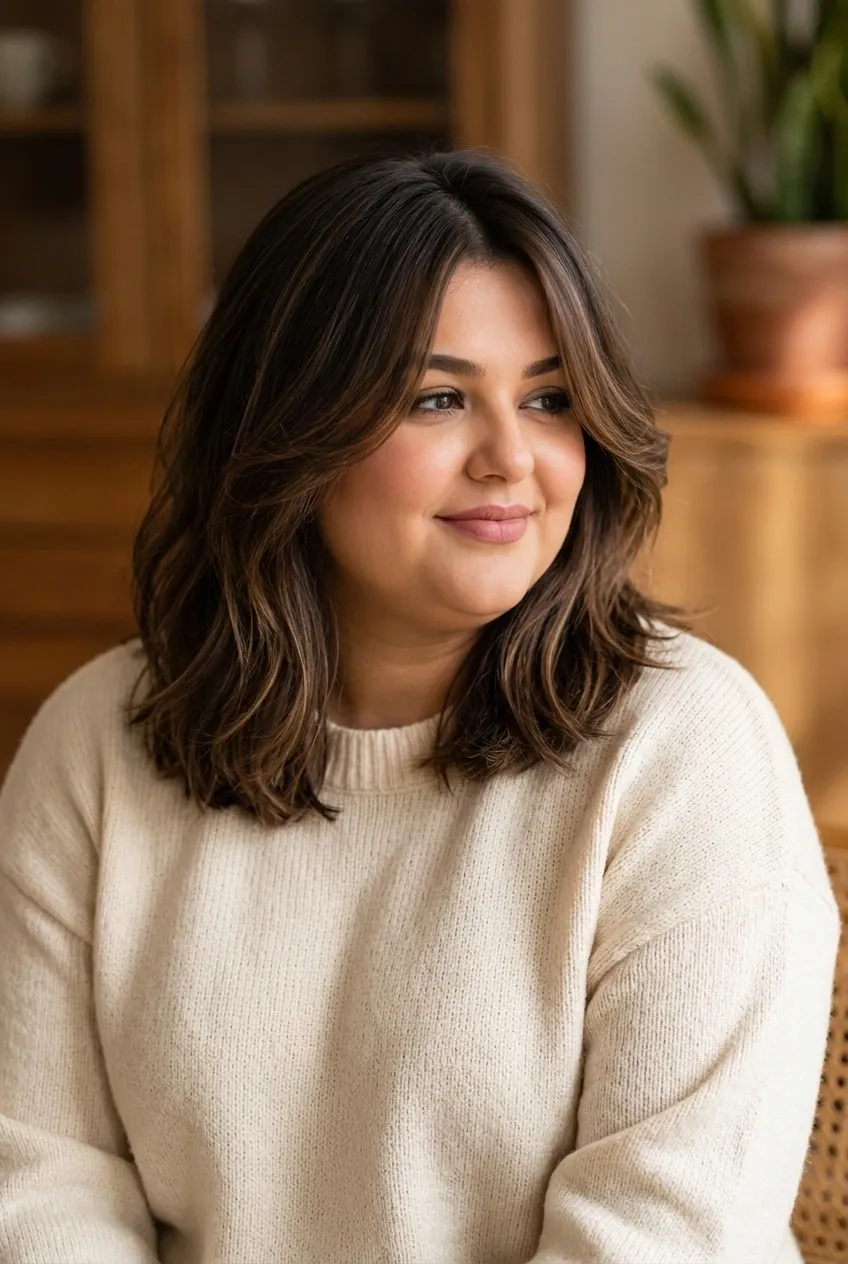
Dark chocolate brunette gives the hair a deep, luxurious appearance while keeping enough brown warmth to avoid looking completely black. The darker foundation creates strong visual depth, while subtle warm-brown undertones become visible when natural light reaches the surface. This makes the shade especially appealing for fall because it naturally works with richer seasonal colors such as burgundy, chocolate, camel, cream, and dark denim. In my experience, dark brunette shades look most polished when the hair has plenty of shine because the reflected light helps reveal the brown undertones. Rather than adding obvious highlights, the goal is to create dimension through slight changes in tone across the lengths.
- Keep the base noticeably dark
- Add subtle warm-brown undertones
- Prioritize shine and smoothness
- Avoid high-contrast highlights
For a refined result, keep the roots and majority of the lengths within the dark chocolate family while allowing small tonal variations to appear naturally through the hair. Straight styling will emphasize the sleek reflective surface, while loose waves can make the warm-brown dimension easier to notice as different sections move. Keeping the roots close to the natural brunette shade can also make regrowth less obvious and simplify maintenance. A regular gloss can help preserve the polished appearance and enhance the richness of the color. This shade is a strong choice if you want a deeper autumn transformation without adding bright tones. It feels sophisticated, versatile, and easy to pair with everyday fall styling.
Creamy Cappuccino Brunette Tones

Creamy cappuccino brunette creates a soft, balanced color by combining medium brown depth with beige, creamy, and lightly warm undertones. The result feels lighter and softer than deep chocolate while remaining clearly within the brunette family. This makes it especially useful for anyone who wants a gentle autumn refresh without choosing strong caramel or copper tones. The neutral warmth works beautifully with cream, taupe, camel, beige, chocolate, and muted brown clothing. I’ve noticed that cappuccino-inspired colors look especially natural when several similar shades are blended together rather than relying on one obvious highlight. The result has enough tonal variation to catch light while still looking smooth and cohesive.
- Keep the brunette base clearly visible
- Blend creamy beige tones gradually
- Avoid overly bright blonde sections
- Add gloss for a soft finish
For a natural-looking result, keep the roots slightly deeper and gradually introduce creamy brown and beige tones through the mid-lengths and ends. A few lighter pieces around the front can create gentle brightness, but the overall contrast should remain soft. Loose waves can reveal the subtle changes between the tones, while straight styling gives the color a smooth, blended appearance. This shade can also be practical for maintaining a softer grow-out because the transitions are not sharply defined. If you want your fall brunette hair to look warm without becoming noticeably golden or red, cappuccino tones provide a sophisticated middle ground. The finished effect is soft, dimensional, polished, and easy to style.
- Keep lighter tones close to brown
- Blend beige through the lengths
- Use soft face-framing brightness
- Maintain a smooth glossy finish
Maple Caramel Brunette Blend
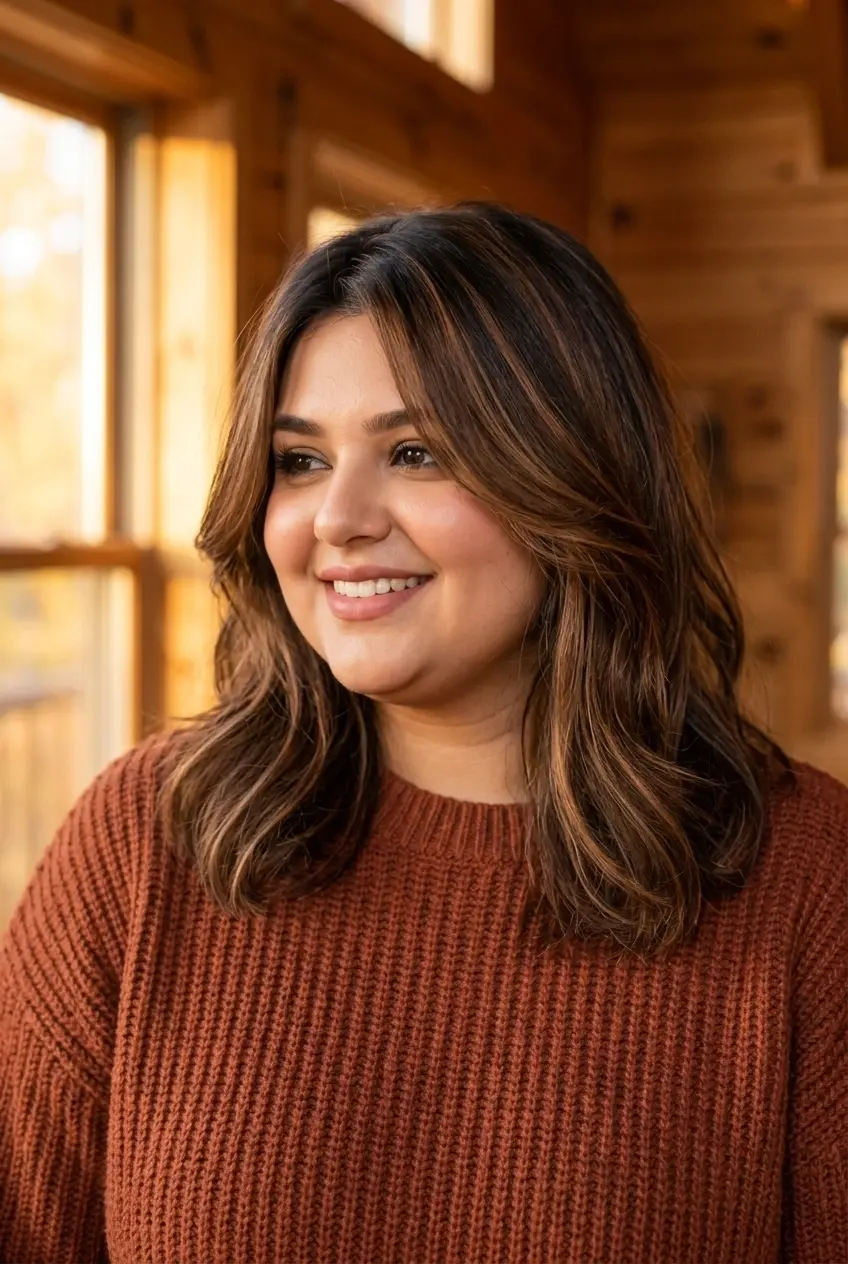
Maple caramel brunette combines a rich brown foundation with warm maple and caramel tones to create a layered autumn color. The darker brunette base keeps the overall hairstyle grounded, while the warmer sections add brightness and movement through the lengths. Because the colors transition gradually, the result can look dimensional without appearing like traditional high-contrast highlights. Natural daylight brings out the caramel and maple reflections, while indoor lighting makes the brunette foundation appear deeper. In my experience, this type of blend looks particularly attractive when the warmer tones are slightly stronger toward the ends and softer around the crown. It creates a natural progression that gives the hair visual movement without overwhelming the original brunette character.
- Keep roots noticeably brunette
- Blend maple and caramel gradually
- Add warmth toward the ends
- Use layers to reveal dimension
For the most balanced finish, keep the root area dark and gradually introduce warmer maple and caramel tones through the mid-lengths and ends. Face-framing sections can be slightly brighter if you want more visible warmth around the front, while the lower layers can remain softer. Loose waves are excellent for showing the blend because the movement separates different sections and allows the warm tones to catch light. A sleek blowout will make the transition look smoother and more polished. This combination is especially easy to coordinate with fall wardrobes because maple and caramel naturally complement rust, cream, camel, chocolate, and warm beige. The result feels cozy, dimensional, and seasonal without becoming overly bright or difficult to wear.
- Blend tones without harsh lines
- Keep the crown slightly darker
- Brighten selected front sections
- Add shine to emphasize warmth
Toasted Hazelnut Brunette Glow
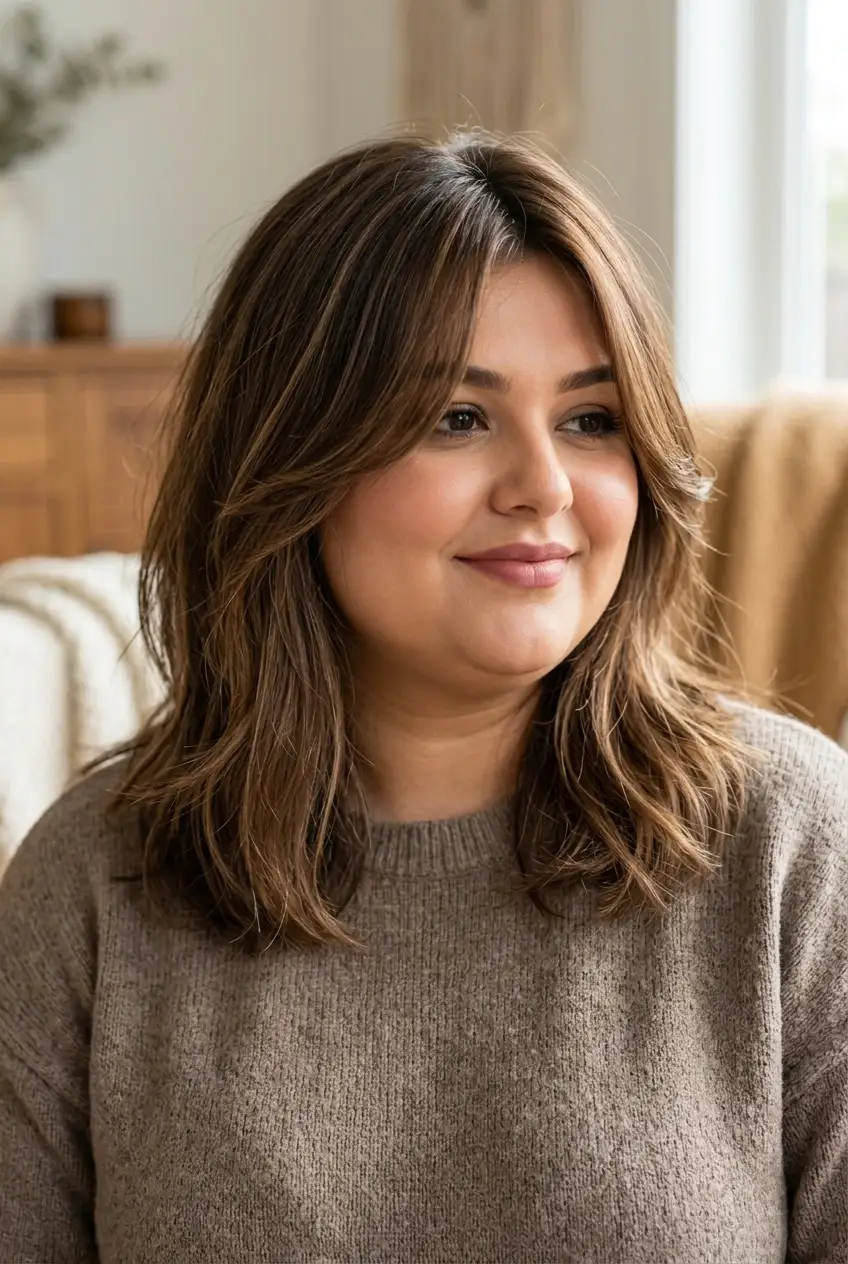
Toasted hazelnut brunette creates a soft, warm finish by combining brunette depth with beige-brown, golden, and lightly toasted undertones. The overall color remains clearly brunette, but the added warmth gives the lengths more brightness and visual movement. This makes it especially appealing for fall when you want a seasonal refresh without choosing a strong red, copper, or blonde shade. Natural daylight can bring out the golden reflections, while indoor lighting keeps the color looking deeper and more understated. I’ve noticed hazelnut shades often look most polished when the warmer tones stay close to the brunette base rather than creating dramatic contrast. The result feels cozy, dimensional, and easy to coordinate with everyday autumn clothing.
- Keep the brunette base clearly visible
- Blend toasted tones gradually
- Add slightly brighter pieces around the front
- Finish with subtle shine
For a balanced result, keep the roots close to the natural brunette shade and gradually introduce warmer hazelnut tones through the mid-lengths and ends. Face-framing sections can contain slightly more brightness if you want the color to appear more noticeable from the front, while the back remains softer. Loose waves can reveal the dimensional tones as the hair moves, whereas sleek styling creates a smoother and more seamless appearance. A gloss can help maintain the reflective quality and make the warm tones appear richer. This shade is particularly useful when you want autumn warmth without strong contrast. It gives brunette hair a soft seasonal glow while remaining versatile enough for casual outfits, professional settings, and polished occasions.
Silky Chestnut Brunette Layers
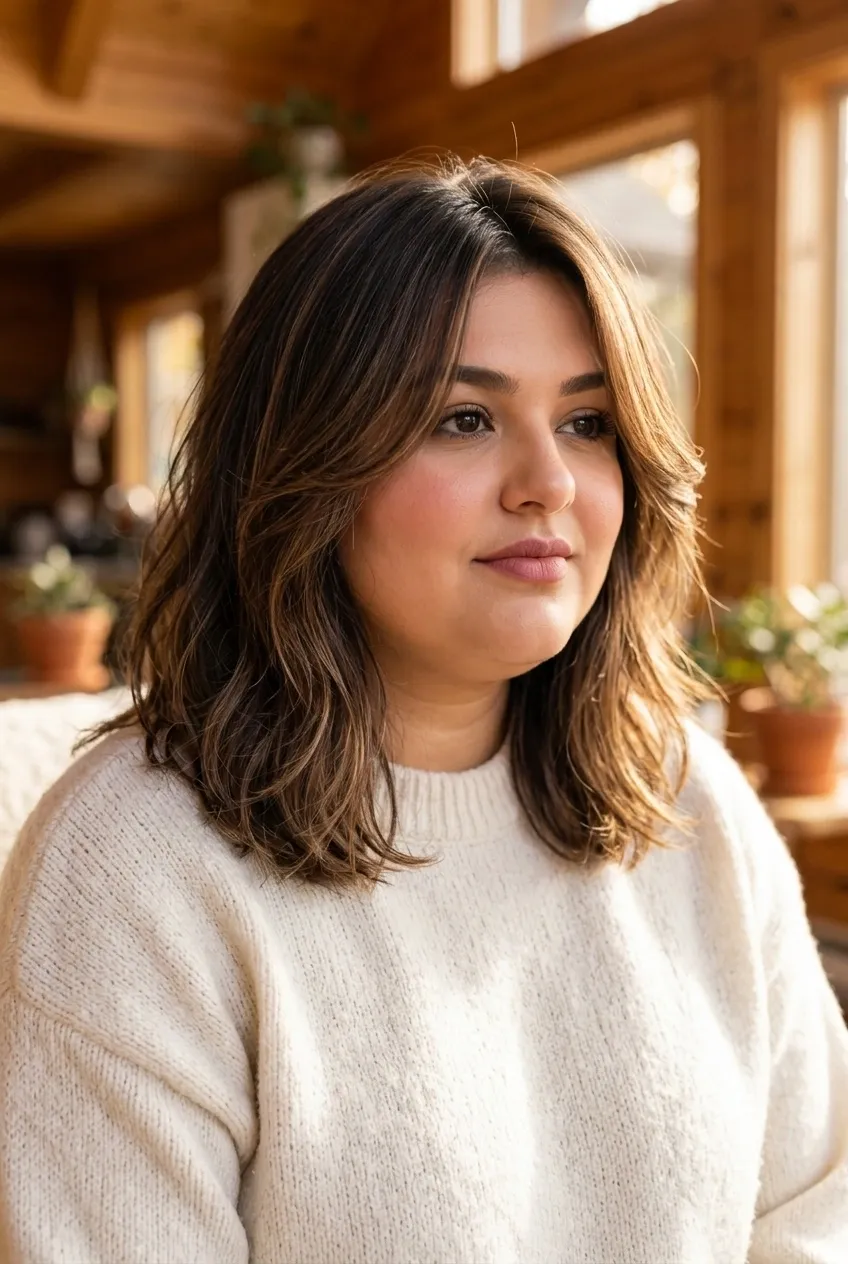
Silky chestnut brunette layers combine warm brown richness with subtle golden and copper-brown undertones for a soft autumn finish. The layered haircut adds another dimension because the different lengths overlap and move independently, allowing the warmer tones to appear and disappear naturally. This keeps the color visually interesting without requiring bold highlights. The silky texture also helps reflect light across the hair, making the chestnut tones more noticeable in daylight. In my experience, layered brunette colors often look more dynamic when the warmer pieces are concentrated around the mid-lengths and ends rather than distributed evenly from root to tip. That approach creates depth while preserving the natural-looking richness of the darker foundation.
- Keep the crown slightly deeper
- Blend chestnut through the layers
- Add subtle warmth toward the ends
- Maintain a smooth glossy texture
For the most wearable finish, keep the roots and upper sections within a deeper brunette range, then introduce chestnut warmth through the middle and lower layers. A few lighter pieces around the front can add extra brightness without changing the overall color dramatically. Soft waves can emphasize the separation between the layers, while a sleek blowout highlights the silky texture and smooth tonal transition. Regular conditioning can also help preserve the reflective finish that makes warm brown shades look vibrant. This idea works especially well for anyone wanting a classic fall brunette with more movement than a single solid shade. The layered color feels warm and polished while remaining versatile enough for different hairstyles and everyday routines.
- Preserve darker root depth
- Blend warmth through lower layers
- Brighten selected face-framing pieces
- Use gloss for extra smoothness
Mocha Cinnamon Brunette Blend
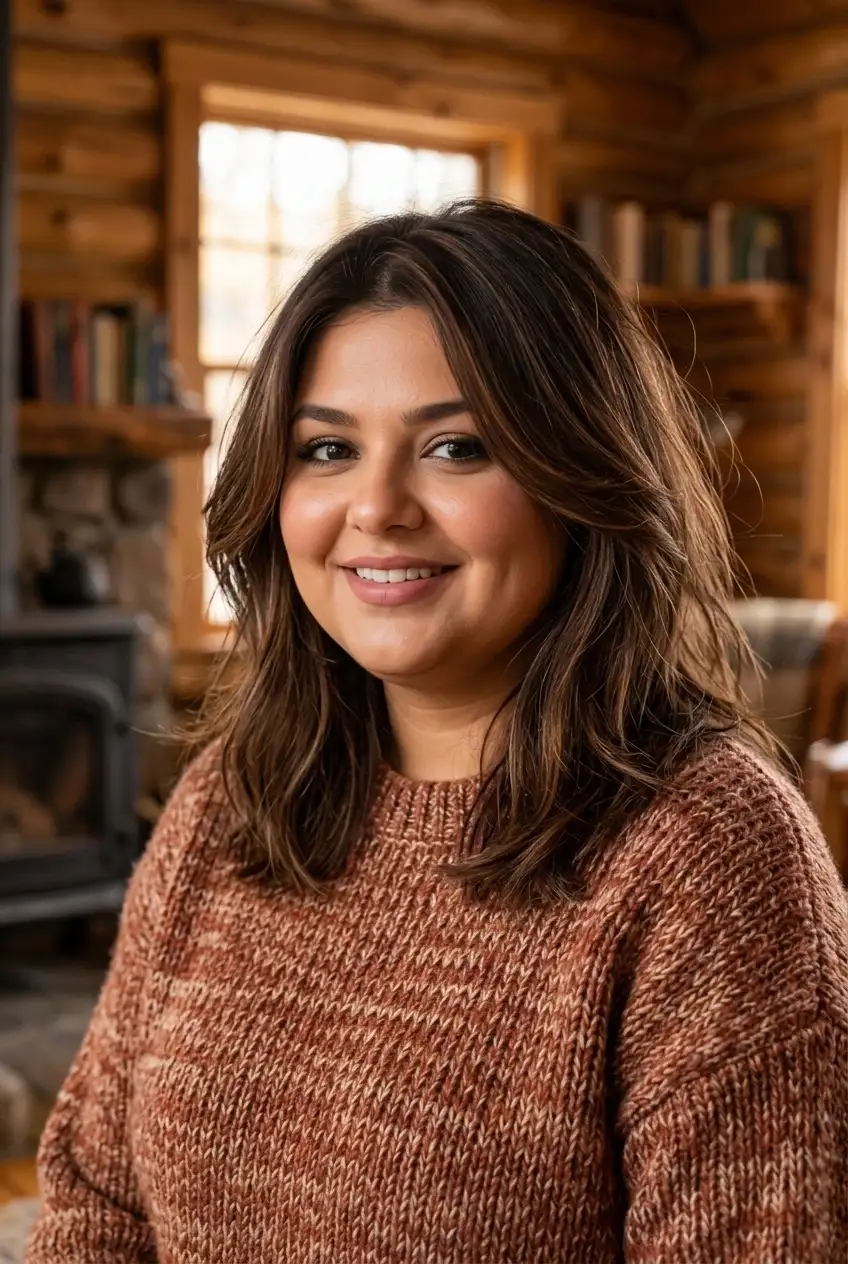
Mocha cinnamon brunette blends a deeper mocha-brown foundation with gentle cinnamon warmth to create a balanced seasonal color. The mocha keeps the overall appearance rich and sophisticated, while the cinnamon influence adds enough warmth to make the lengths feel more vibrant. Because both shades remain within the brown family, the transition can look natural rather than sharply contrasted. This makes the combination useful when you want fall-inspired warmth without choosing an intense copper or red shade. I’ve noticed that cinnamon works particularly well against a mocha base because the darker tone controls the warmth and keeps the final result from looking too bright. Natural light brings out the subtle cinnamon reflections beautifully.
- Keep mocha as the dominant base
- Blend cinnamon through selected sections
- Concentrate warmth toward the ends
- Avoid overly saturated copper tones
For a soft finish, keep the roots and upper lengths primarily mocha brown, then introduce cinnamon tones gradually through the mid-lengths and ends. A few warmer pieces around the face can create gentle brightness, but the overall color should remain blended. Loose waves can make the cinnamon variation easier to see as the hair moves, while straight styling gives the combination a smoother and more sophisticated appearance. Maintaining shine is helpful because the reflective surface allows both the mocha depth and cinnamon warmth to show clearly. This option is ideal when you want a brunette color with more autumn personality but still prefer a grounded brown foundation. It offers warmth, dimension, and versatility without demanding an overly dramatic transformation.
- Keep cinnamon tones softly blended
- Maintain deeper mocha near the crown
- Add warmth selectively around the front
- Use gloss to enhance tonal contrast
Chocolate Auburn Brunette Glow

Chocolate auburn brunette combines the richness of chocolate brown with subtle auburn and red-copper warmth, creating a sophisticated fall color with more personality than a traditional brunette. The deeper brown foundation keeps the shade balanced, while warmer tones appear when natural light reaches the hair. This makes the color particularly interesting because it can look deep and chocolate-toned indoors but reveal soft auburn reflections outside. I’ve noticed that this combination works best when the red influence remains blended rather than becoming intensely saturated. The result feels warm and seasonal while still looking polished enough for everyday wear, professional settings, and more dressed-up occasions.
- Keep chocolate brown as the dominant base
- Blend auburn tones through the lengths
- Allow subtle copper reflections
- Maintain a glossy finish
For a wearable finish, keep the roots and upper sections deeply chocolate brown, then gradually introduce auburn warmth through the mid-lengths and ends. A few slightly warmer pieces around the front can make the color more visible without overwhelming the brunette foundation. Loose waves can reveal flashes of red and copper as the hair moves, while straight styling creates a smoother and more unified appearance. A gloss can help maintain the richness and make the warmer tones reflect beautifully. This shade is a strong choice if you want a noticeable autumn update without moving into a bright red color. It provides depth, warmth, and dimension while remaining versatile enough for many styling preferences.
Cinnamon Mocha Brunette Depth
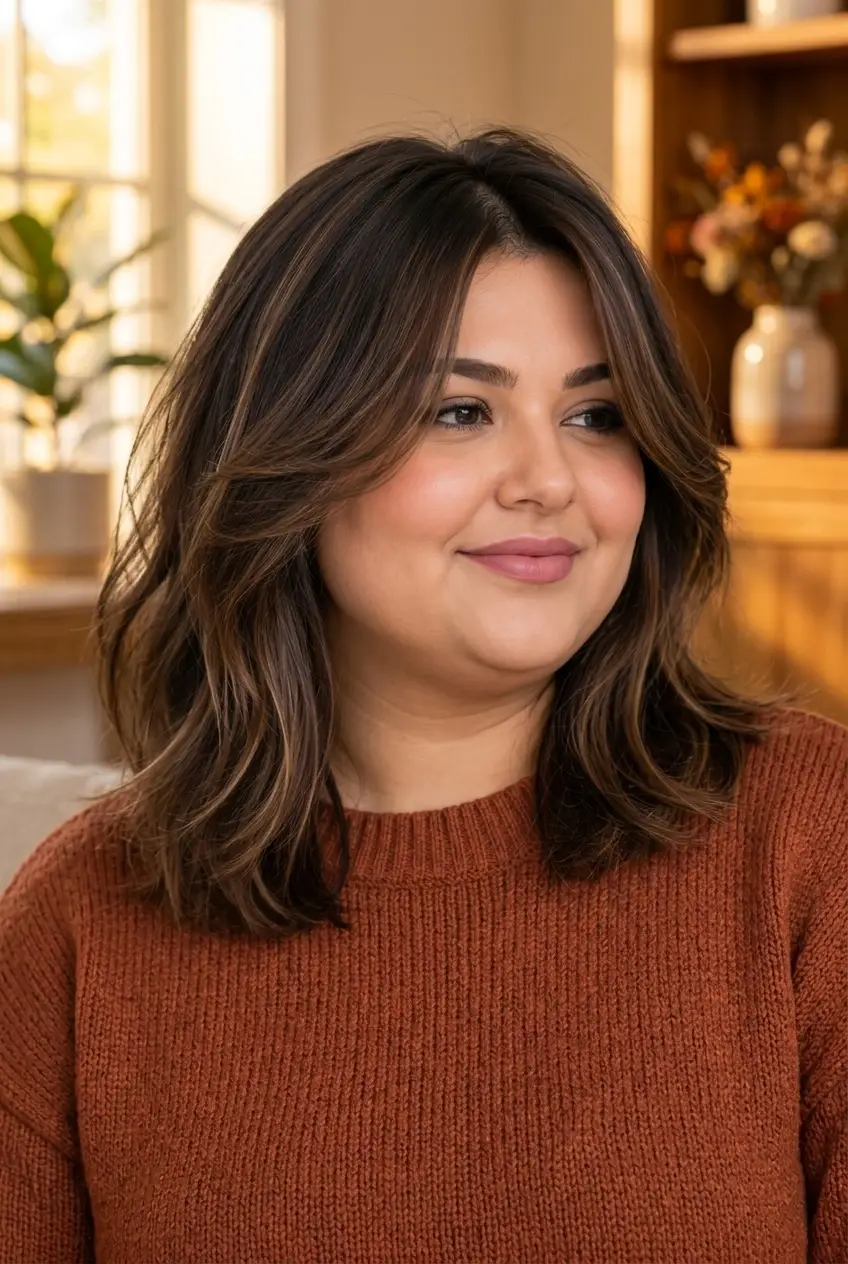
Cinnamon mocha brunette brings together two rich brown families to create a warm but grounded autumn shade. The mocha foundation gives the hair depth and sophistication, while cinnamon-brown tones add subtle warmth through the lengths. Because the color remains centered around brunette tones, it does not need to look dramatically lighter or brighter to feel different. Natural light can reveal the cinnamon influence more clearly, while indoor lighting emphasizes the deeper mocha quality. In my experience, combining a warm shade with a deeper neutral-brown foundation creates a more balanced result than using warmth across the entire hairstyle. It gives the hair seasonal character while preserving a naturally brunette appearance.
- Keep mocha strongest near the roots
- Blend cinnamon through selected lengths
- Avoid overly orange warmth
- Use shine to reveal tonal variation
For the best balance, keep the crown and root area within the deeper mocha range and introduce cinnamon gradually through the middle and lower sections. Face-framing pieces can contain slightly more warmth if you want the color to stand out from the front, while the back can remain more subtle. Loose waves are ideal for revealing the tonal contrast because movement separates the warmer and deeper sections. A sleek blowout gives the color a cleaner, more refined appearance. This combination works especially well with fall wardrobes featuring rust, cream, camel, chocolate, and burgundy. It offers a practical way to add warmth and dimension without choosing an extremely bright or high-maintenance color.
- Keep the crown visibly darker
- Blend cinnamon rather than striping it
- Add warmth selectively around the face
- Maintain a smooth glossy finish
Glossy Walnut Brunette Shine
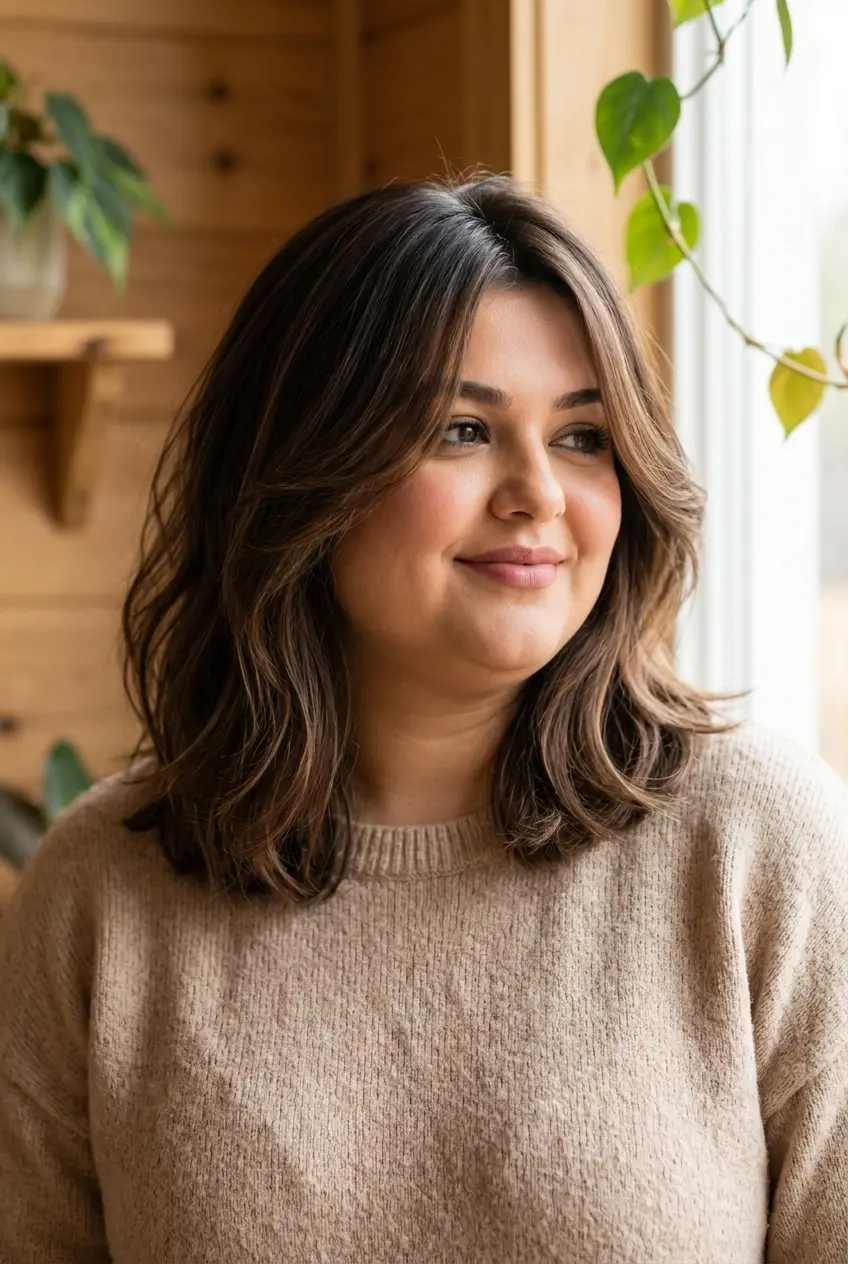
Glossy walnut brunette offers a sophisticated fall option for anyone who prefers brown hair without strong red, copper, or golden tones. The shade sits between deep chocolate and medium brown, with subtle warmth that gives the hair a naturally dimensional appearance. Its neutral quality makes it easy to pair with beige, cream, camel, chocolate, charcoal, and muted olive clothing. The glossy finish is especially important because reflected light helps reveal the different brown tones across the lengths. I’ve noticed that walnut shades can look particularly expensive when the color remains understated and the hair texture appears smooth rather than heavily highlighted. The result is polished without feeling overly dramatic.
- Keep the walnut tone balanced
- Avoid excessive red or orange warmth
- Prioritize smooth texture and shine
- Maintain subtle tonal variation
For a refined finish, keep the roots slightly deeper and allow soft walnut-brown variation through the mid-lengths and ends. The color should remain cohesive, with no obvious lines between darker and lighter areas. Straight styling will emphasize the glossy surface and make the shade appear sleek, while loose waves create more movement and reveal subtle changes in tone. A shine treatment can help preserve the reflective quality that makes walnut brunette look rich. This color is especially useful if you want a fall refresh that feels sophisticated but not overly warm. It provides enough dimension to make the hair interesting while keeping the overall appearance natural, versatile, and easy to coordinate with neutral seasonal clothing.
- Keep roots naturally deeper
- Blend brown tones softly
- Avoid strong contrasting highlights
- Use gloss for polished shine
Caramel Espresso Brunette Melt
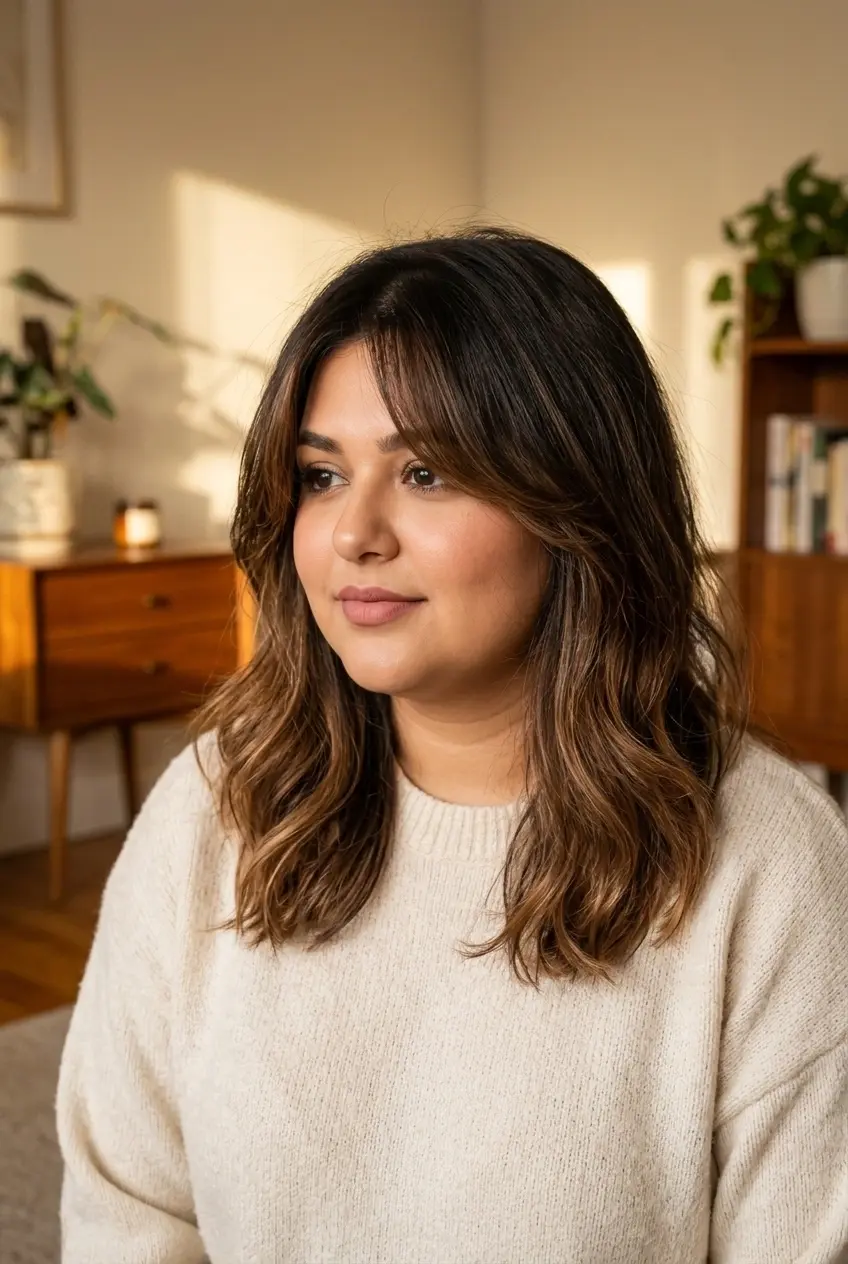
Caramel espresso creates a striking but wearable contrast by combining a deep espresso brunette root with gradually warmer caramel-brown lengths. The color becomes lighter as it moves toward the ends, creating a soft gradient rather than a sharp division between shades. This makes the hairstyle visually interesting while allowing the darker root to remain the dominant feature. Natural light can make the caramel sections appear warmer and brighter, while indoor lighting emphasizes the espresso foundation. In my experience, this type of color melt works especially well when intermediate brown tones are used between the darkest root and lightest ends. That extra transition creates a smoother appearance and prevents the hairstyle from looking like two separate colors.
- Keep espresso roots clearly defined
- Blend intermediate brown tones
- Concentrate caramel toward the ends
- Avoid a harsh transition line
The gradient can be customized according to how much brightness you want. A subtle caramel melt keeps most of the hair dark, while a more noticeable version can bring warmer color higher into the mid-lengths. Keeping the roots deep makes maintenance easier because new growth blends naturally into the existing base. Loose waves can emphasize the gradual transition as different sections move, while straight styling displays the color melt more clearly. A glossy finish can also help both the dark and light tones reflect evenly. This option is ideal when you want an autumn brunette that feels more dimensional and modern without completely changing the darker character of the hairstyle. It offers strong visual contrast while remaining cohesive and wearable.
- Start caramel below the crown
- Blend through multiple brown tones
- Keep the darkest color at roots
- Use waves to emphasize the gradient
Soft Cocoa Brunette Warmth
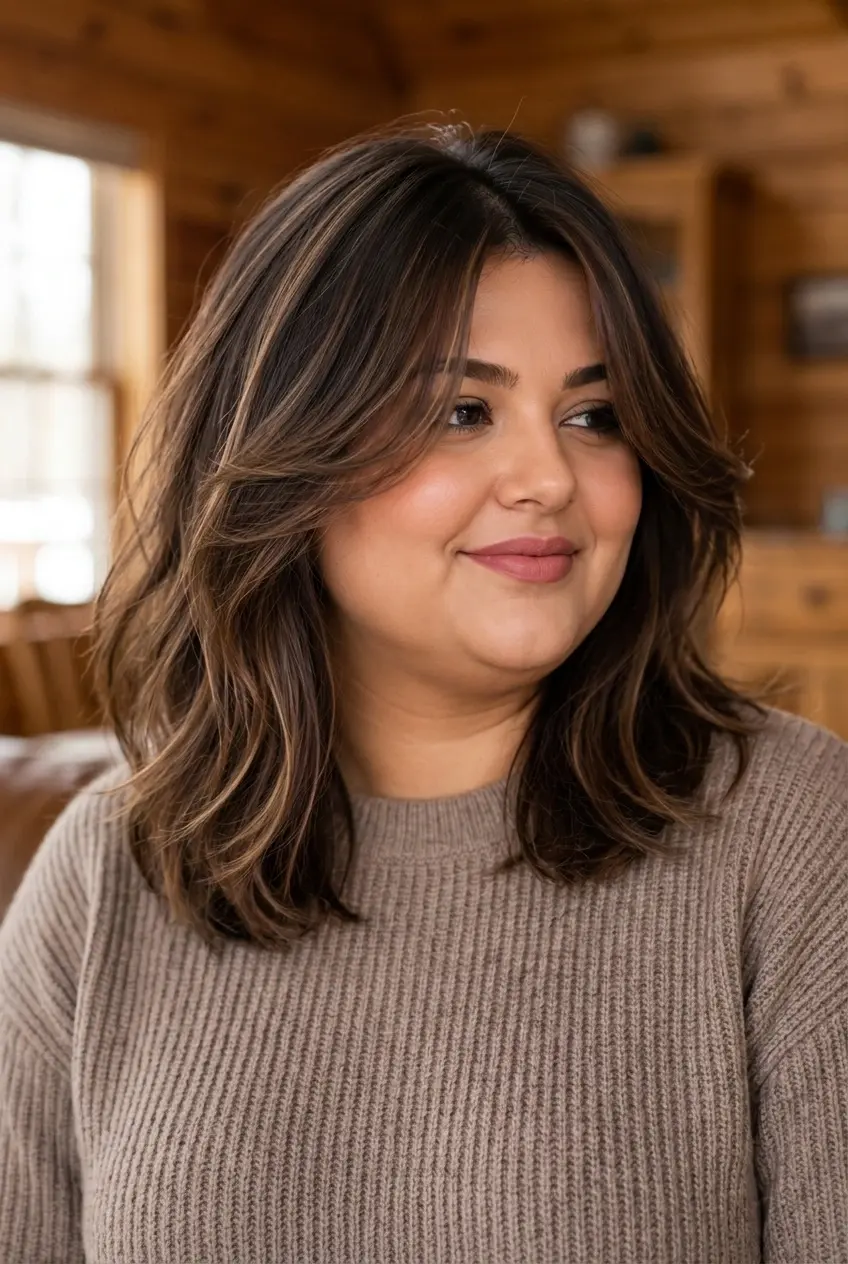
Soft cocoa brunette creates a muted, comforting brown shade that feels especially natural for autumn. The color combines medium-to-deep brown with subtle beige and warm undertones, creating richness without strong red or golden reflections. This makes it useful for anyone who wants a seasonal update but prefers understated colors over dramatic transformations. The softer quality pairs beautifully with taupe, cream, camel, chocolate, and muted brown clothing. I’ve noticed that cocoa-inspired brunette shades look particularly polished when the hair has a healthy shine and the color is allowed to retain slight natural variation. Instead of making every section identical, subtle differences in depth help the hairstyle look more dimensional and believable.
- Keep cocoa tones soft and balanced
- Blend beige undertones gradually
- Maintain natural brunette depth
- Add shine without excessive brightness
For a smooth finish, keep the root area slightly deeper and introduce softer cocoa tones through the mid-lengths and ends. A few lighter beige-brown pieces can be placed around the front if you want a little extra brightness, but the overall contrast should remain gentle. Loose waves can make the tonal differences easier to see, while straight styling creates a clean and seamless appearance. This shade is particularly practical if you want a low-key fall change that remains appropriate across different settings. It does not depend on dramatic highlights or intense warmth to look dimensional. Instead, the richness comes from carefully balanced brown tones, healthy-looking texture, and subtle variations that create a naturally polished finish.
- Keep the root slightly deeper
- Use beige-brown pieces sparingly
- Avoid overly golden highlights
- Maintain smooth reflective texture
Warm Brown Balayage Glow
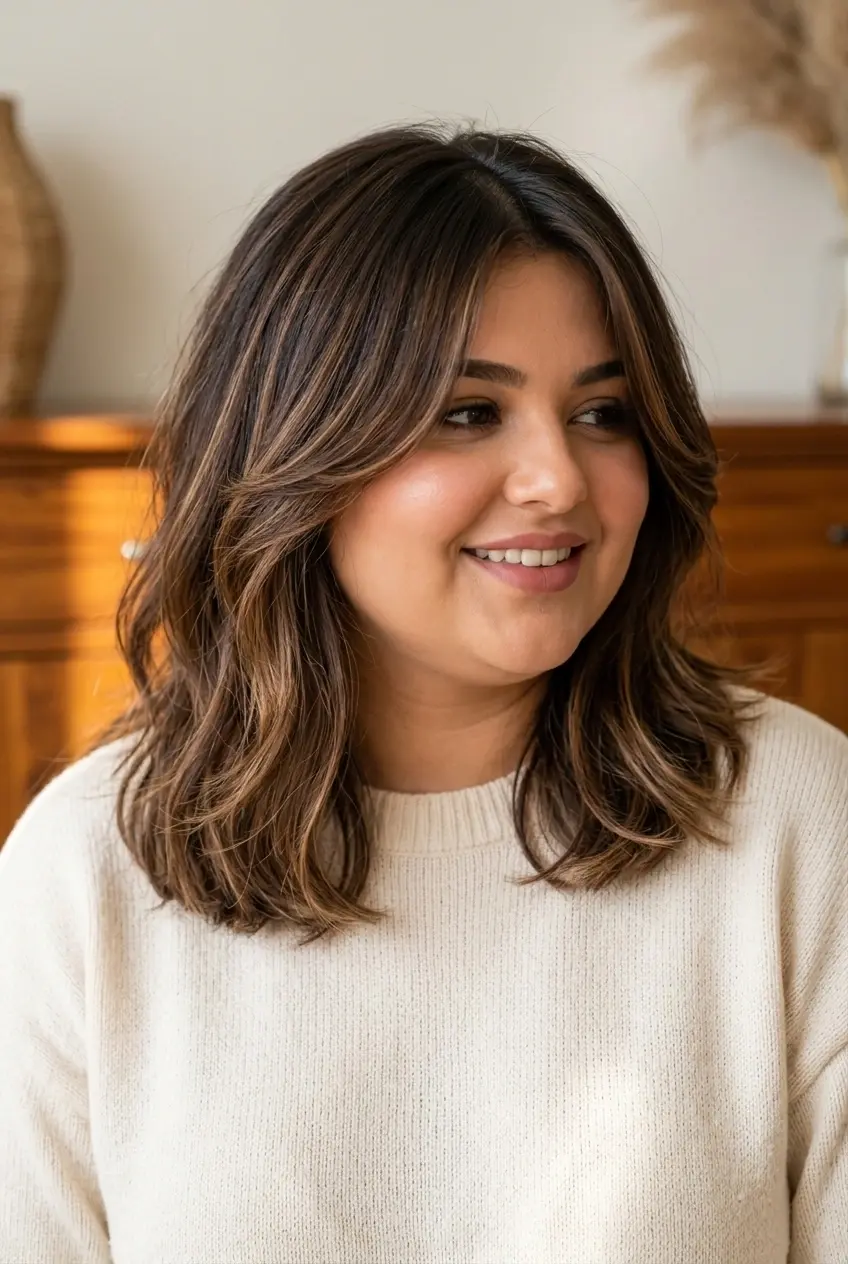
Warm brown balayage gives brunette hair a naturally dimensional finish by placing lighter brown tones through selected sections rather than creating uniform highlights. The darker root remains visible, while warm brown pieces gradually become more noticeable through the mid-lengths and ends. This creates a soft, sunlit effect that can make the hairstyle appear more dynamic without changing the overall brunette identity. The technique is especially useful for fall because the warmth can be adjusted toward caramel, chestnut, or toasted brown depending on the desired result. In my experience, balayage looks most natural when the lighter sections are irregularly distributed, allowing the color to mimic natural variation instead of appearing patterned.
- Keep roots naturally dark
- Paint lighter brown through selected sections
- Concentrate brightness toward the ends
- Blend transitions carefully
For a soft autumn finish, keep the root area close to the natural brunette shade and begin the warmer balayage slightly lower down. Face-framing sections can be a little brighter, while the back remains more subtle to create balance. Loose waves are particularly effective because the movement reveals individual painted sections and creates changing reflections. Straight styling shows the blending more clearly and gives the color a sleek appearance. Because the root remains darker, this approach can also be easier to maintain than an all-over lighter color. It is a useful option when you want visible dimension and warmth while keeping enough brunette depth for a natural-looking, versatile hairstyle that works throughout the fall season.
- Start balayage below the roots
- Brighten selected face-framing pieces
- Keep lower sections softly blended
- Use gloss to enhance dimension
Mulled Wine Brunette Depth
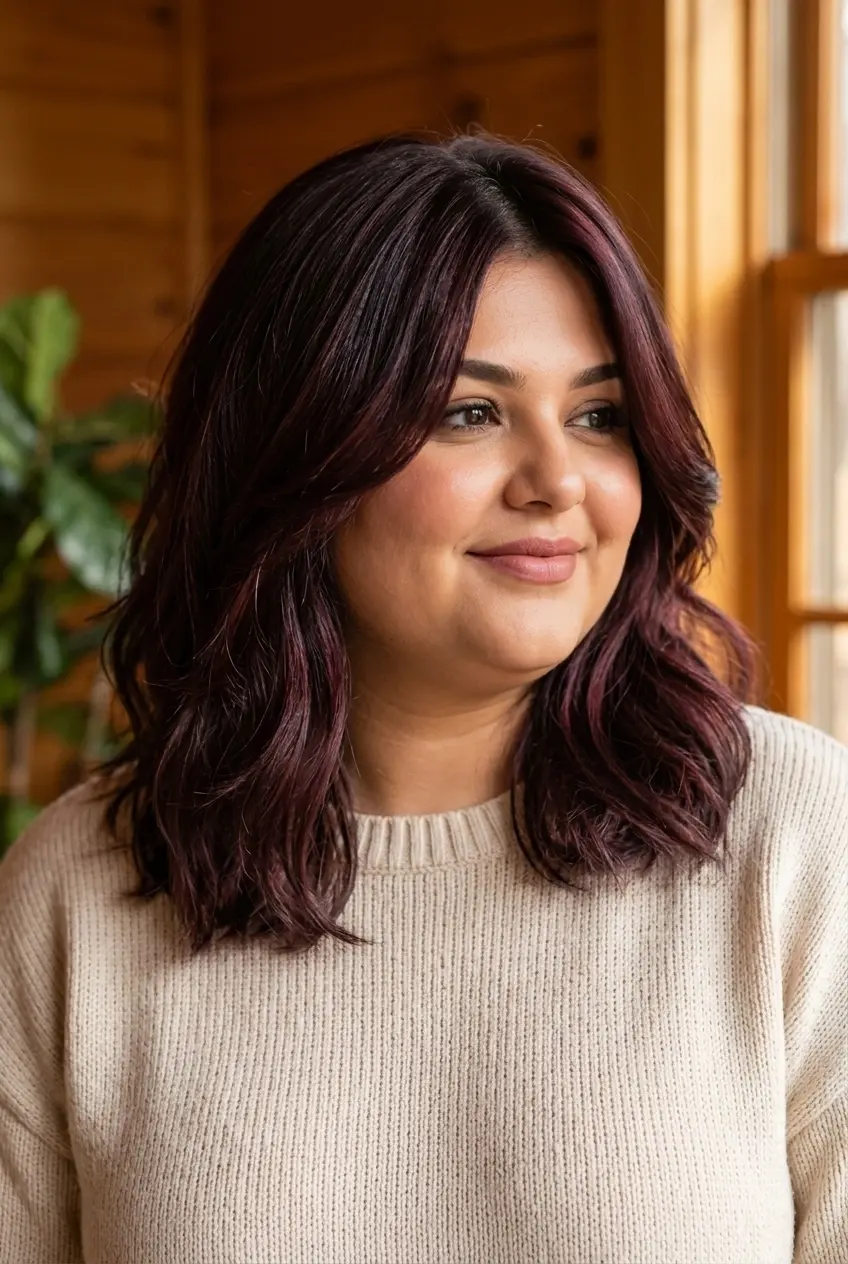
Mulled wine brunette brings together deep brown with subtle burgundy, berry, and wine-inspired undertones for a rich autumn shade. The darker foundation keeps the hairstyle sophisticated, while the berry influence adds depth and personality that becomes more visible in natural light. This color feels especially appropriate for fall because it complements burgundy sweaters, chocolate coats, cream knitwear, dark denim, and muted neutral accessories. In my experience, wine-inspired brunette shades are most wearable when the berry tones remain blended into the brown rather than becoming bright red or purple. This creates a sophisticated color that changes slightly under different lighting while still reading as a deep brunette from a distance.
- Keep brown as the dominant foundation
- Blend berry tones throughout
- Avoid overly bright purple sections
- Maintain a glossy surface
For a refined mulled-wine effect, keep the roots and upper sections deep brown and introduce subtle burgundy warmth through the mid-lengths and ends. You can increase the intensity around selected front pieces if you want the wine tones to be easier to notice. Loose waves can reveal shifting berry reflections as the hair moves, while straight styling gives the color a smooth, dramatic appearance. A gloss is especially helpful because shine allows the red-violet undertones to reflect more clearly. This option works well for anyone wanting a darker, moodier fall transformation without choosing a fully red hairstyle. The brunette foundation keeps the result practical, while the wine tones provide enough richness to make the seasonal change feel distinctive.
- Keep wine tones subtly blended
- Maintain deep brown roots
- Add selective burgundy brightness
- Use gloss for stronger reflections
Golden Chestnut Brunette Shine
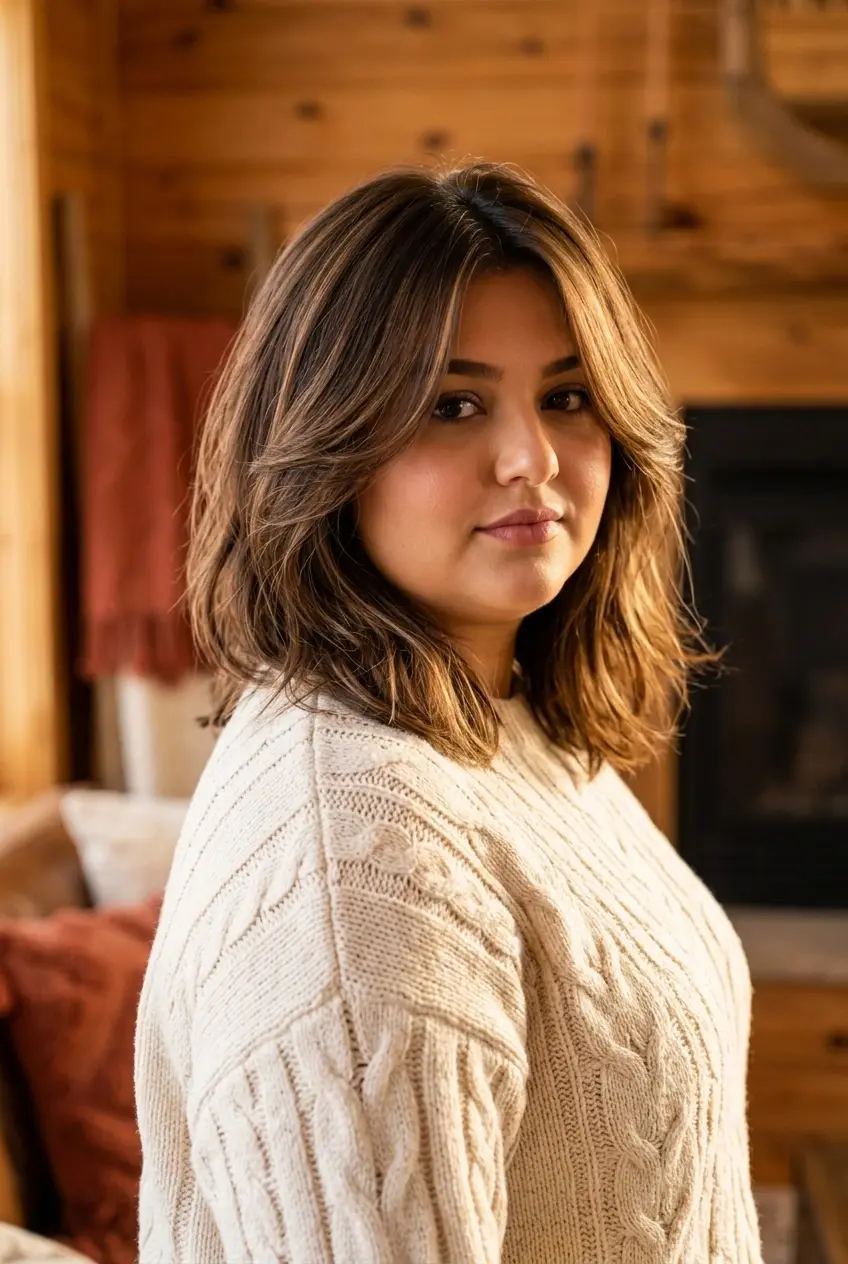
Golden chestnut brunette combines classic chestnut brown with delicate honey and golden-brown warmth for a bright but still grounded autumn finish. The brunette foundation provides depth, while the golden tones create gentle reflections through the lengths when natural light reaches the hair. This gives the hairstyle a soft glow without pushing the overall color into blonde territory. It pairs naturally with fall clothing in cream, camel, rust, chocolate, and warm beige. I’ve noticed that golden chestnut tends to look especially attractive when the warmer pieces are blended into several sections rather than concentrated in one area. The result feels dimensional and luminous while keeping enough brown depth to remain unmistakably brunette.
- Keep chestnut depth at the roots
- Blend golden tones through the lengths
- Add honey warmth selectively
- Maintain a glossy finish
For a balanced result, keep the root and upper sections slightly deeper, then gradually introduce golden chestnut tones through the mid-lengths and ends. A few lighter pieces around the front can create a soft glow, while the remaining sections stay closer to the brunette base. Loose waves will make the golden dimension more visible as the strands move, while sleek styling creates a smooth and polished appearance. A shine treatment can help emphasize the warm reflections without making the color excessively bright. This shade works particularly well when you want your fall brunette to look warmer and more luminous while still remaining practical. It offers a polished seasonal transformation with enough depth for everyday styling and easy wardrobe coordination.